




Vinyl Casement Windows Are They the Most Practical Choice for Homeowners
When it comes to selecting windows that balance cost, performance, and longevity, few options rival the practicality of vinyl casement windows. Known as UPVC casement windows in many markets, vinyl casement windows combine the exceptional thermal insulation of multi-chambered vinyl profiles with the superior sealing characteristics of casement design. They offer outstanding energy efficiency, minimal maintenance, and excellent value for money. This comprehensive guide explores everything you need to know about vinyl casement windows.

Understanding Vinyl Casement Windows
A vinyl casement window is a hinged window manufactured from unplasticized polyvinyl chloride (UPVC or vinyl). The sash is hinged on the side and swings outward (or inward in some markets) using a crank handle or push-out mechanism. When closed, the sash compresses against a continuous gasket, creating an exceptionally tight seal that outperforms sliding or single-hung windows.
The frame and sash are extruded from multi-chambered vinyl profiles. These hollow chambers trap air, providing natural thermal insulation. Unlike wood that rots or aluminum that conducts heat, vinyl is an inherently poor conductor of heat. Steel reinforcement is inserted into the profiles to provide structural rigidity, especially for larger sash sizes.
Modern vinyl casement windows incorporate advanced hardware including stainless steel friction hinges, multi-point locking systems, and ergonomic handles. The glazing is typically double or triple with Low-E coatings and argon gas fills. White is the standard color, but co-extruded colors and woodgrain laminates are widely available.
Key Advantages of Vinyl Casement Windows

Outstanding energy efficiency is the hallmark of vinyl casement windows. The multi-chambered profiles achieve U-values as low as 1.1 to 1.6 W/m²K when combined with double glazing. With triple glazing, U-values below 0.9 W/m²K are possible. This translates directly into lower heating and cooling bills.
Superior airtightness comes from the casement design. When closed, the sash compresses against the frame gasket, creating a seal that sliding windows cannot match. Air infiltration ratings of 0.05 cfm/ft² or lower are achievable, eliminating draughts and improving comfort.
Low maintenance is a major selling point. Vinyl never needs painting, does not rot, warp, or corrode. The color is integral (for white) or co-extruded (for colors), so there is no peeling or flaking. Cleaning requires only mild soap and water.
Excellent value for money makes vinyl casement windows popular for budget-conscious projects. They typically cost less than aluminum or timber casement windows while delivering comparable or better thermal performance.
Enhanced security is engineered into modern vinyl casement windows. Multi-point locking systems (3 to 7 locking points) engage stainless steel keepers along the frame. The casement design itself is inherently secure because the hinge side offers no leverage for forced entry.
Noise reduction benefits from the tight seal and multi-chambered frames. Double or triple glazing further dampens external noise, making vinyl casement windows ideal for homes near traffic, airports, or urban centers.
Wide availability of styles and colors includes traditional white, cream, anthracite gray, black, brown, and realistic woodgrain finishes such as oak and mahogany.
Glass and Hardware Options for Vinyl Casement Windows
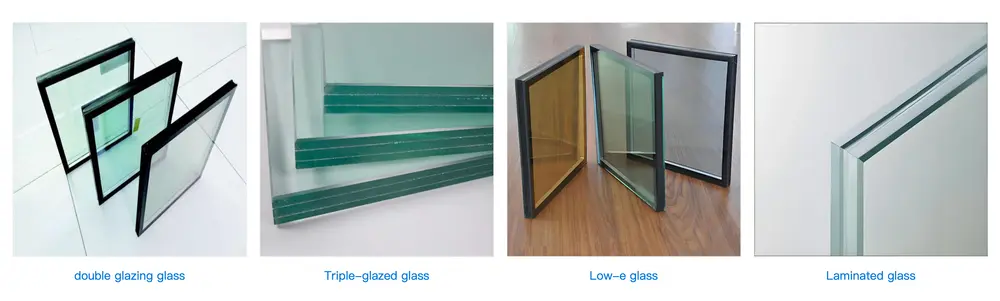
Glass configurations:
Double glazing (5mm+20A+5mm): Standard, with Low-E coating and argon gas fill.
Triple glazing (5mm+12A+5mm+12A+5mm): For extreme climates or noise-sensitive locations.
Laminated glass: For security and sound reduction; holds together if broken.
Tempered glass: Safety glazing required in many building codes.
Obscure or patterned glass: For bathrooms and privacy applications.
Hardware specifications:
Stainless steel friction hinges: Rated for 20,000+ cycles; adjustable for tension.
Multi-point locking: Typically 3 to 7 locking points with stainless steel cams.
Crank handles: Smooth-operating mechanisms; folding handles available for a cleaner look.
Restrictors: Limit opening angles for child safety or high-wind conditions.
Integrated insect screens: Retractable screens that allow ventilation without pests.
Applications for Vinyl Casement Windows

Residential homes use vinyl casement windows in living rooms, bedrooms, kitchens, and bathrooms. Their excellent sealing makes them popular in climates with extreme temperatures.
New construction projects specify vinyl casement windows for their energy code compliance and cost-effectiveness.
Renovation and retrofit projects benefit from the dramatic performance improvement over old single-pane or double-pane windows.
Multi-family buildings including apartments and condominiums use vinyl casement windows for their durability, low maintenance, and security.
Frequently Asked Questions About Vinyl Casement Windows
Q: Are vinyl casement windows as durable as aluminum?
A: For residential applications, yes. Vinyl does not corrode and resists impact damage. However, aluminum has higher strength for very large spans. Vinyl casement windows typically last 30 to 40 years.
Q: Can vinyl casement windows be painted?
A: It is not recommended. Paint does not adhere well to vinyl and will peel. If a color change is desired, choose windows with co-extruded color finishes or woodgrain laminates from the manufacturer.
Q: Do vinyl casement windows yellow over time?
A: High-quality vinyl casement windows use UV-stabilized materials that resist yellowing for decades. Cheap, non-stabilized vinyl may yellow within a few years. Always specify quality virgin vinyl with UV inhibitors.
Q: Are vinyl casement windows suitable for coastal areas?
A: Yes, vinyl is highly resistant to salt spray corrosion. Unlike aluminum, it does not pit or corrode. Use stainless steel hardware for coastal installations.
Q: How do vinyl casement windows compare to wood for energy efficiency?
A: Vinyl casement windows are significantly more energy efficient. Wood frames require thermal breaks or additional insulation to achieve similar U-values, and wood windows typically have higher air leakage rates.
Installation and Long-Term Value

Professional installation is essential for vinyl casement windows to achieve their rated performance. The frame must be square, level, and properly anchored. The hinges must be aligned to ensure smooth operation and uniform gasket compression. Proper flashing and sealing prevent water infiltration.
The long-term value of vinyl casement windows includes lower energy bills, reduced maintenance costs, enhanced comfort, and increased property value. With proper care, these windows will perform reliably for decades.
Conclusion
Vinyl casement windows offer an exceptional combination of energy efficiency, low maintenance, security, and affordability. Their superior sealing characteristics make them one of the most practical choices for homeowners seeking to reduce energy costs and improve indoor comfort. With modern color and glass options, they suit any architectural style.
Cooperate With Hunan Haolv Building Materials Co., Ltd.
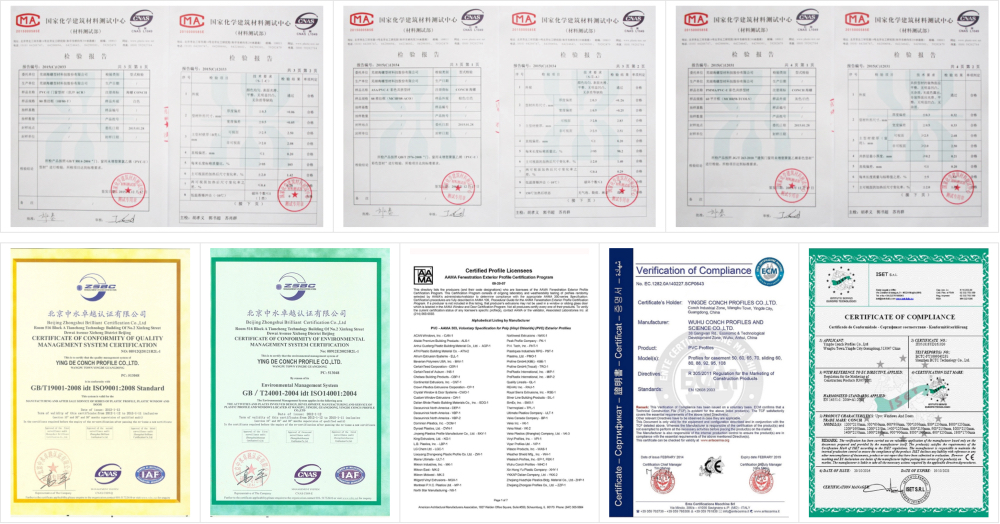
As a leading manufacturer of high-performance window systems, Hunan Haolv Building Materials Co., Ltd. brings over eighteen years of specialized expertise to the production of vinyl casement windows. Our vinyl casement windows are manufactured using premium virgin UPVC material with multi-chamber profiles, steel reinforcement, stainless steel friction hinges, and multi-point locking hardware. We offer comprehensive customization services including double or triple glazing, Low-E coatings, a wide range of colors and woodgrain finishes, and integrated insect screens. Every product undergoes rigorous ISO-certified quality management from raw material selection through final inspection. For detailed quotations, pricelist information, or to discuss your specific project requirements, please contact us today at kristin@haolvwindows.com.

USER EVALUATE
Here is the customer's evaluation of us