




Best Aluminium 3 Track Sliding Window for Large Openings 2026
When you're standing in front of a massive wall opening in your new home or commercial space, wondering how to maximize natural light without sacrificing floor space or compromising energy efficiency, the aluminium 3 track sliding window emerges as the definitive solution. This comprehensive guide reveals why three-track sliding systems represent the pinnacle of window engineering for large openings in 2026, combining space optimization, operational flexibility, and contemporary aesthetics that transform architectural visions into reality.
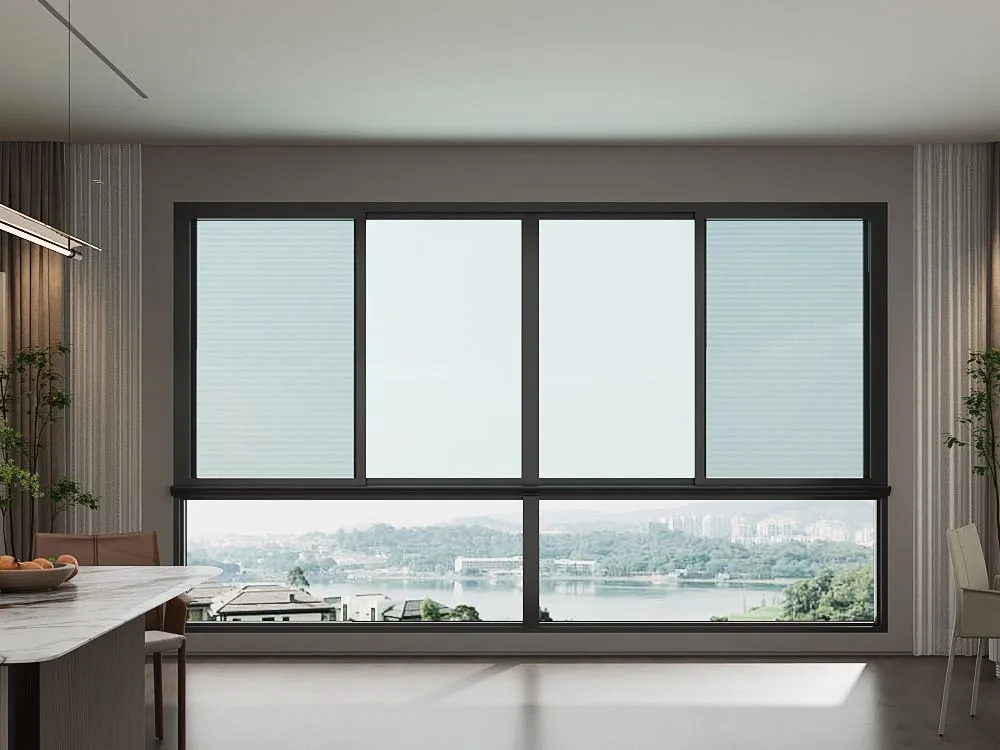
Why Aluminium 3 Track Sliding Windows Dominate Large Opening Solutions?
The fundamental challenge with expansive openings lies in balancing accessibility, ventilation control, and structural integrity. Traditional hinged windows become impractical beyond certain dimensions, while standard two-track sliders limit your opening capacity to merely fifty percent of the total area. The aluminium 3 track sliding window revolutionizes this equation by introducing a third independent track that enables up to sixty-six percent opening capability, fundamentally changing how you interact with your indoor-outdoor spaces. The engineering brilliance of three-track systems manifests in their operational versatility. Each panel glides independently along precision-manufactured tracks, allowing you to create partial openings for gentle cross-ventilation or maximize the aperture when you need unobstructed access to patios, balconies, or garden spaces. This flexibility becomes particularly valuable in climates where weather conditions change rapidly throughout the day, enabling instant adjustment without the cumbersome repositioning required by fixed-configuration windows. Modern architectural trends increasingly favor floor-to-ceiling glazing and panoramic views that dissolve boundaries between interior and exterior environments. The aluminium 3 track sliding window accommodates these design aspirations while maintaining practical functionality. The slim profile of aluminum frames maximizes glass surface area, ensuring that structural elements remain visually unobtrusive even across openings spanning three to five meters. This combination of transparency and strength makes three-track systems indispensable for contemporary residential projects and commercial developments seeking to create memorable spatial experiences.
Advanced Track Configuration and Panel Arrangement
The sophisticated engineering behind three-track sliding windows extends far beyond simply adding an extra rail. The track configuration determines operational efficiency, weather resistance, and long-term durability. Premium systems like those manufactured by Haolv Building Materials incorporate precision-aligned tracks with integrated drainage channels that prevent water accumulation while accommodating thermal expansion across varying temperatures. The tracks are engineered from high-strength 6063-T5 aluminum alloy, providing corrosion resistance and dimensional stability that ensures smooth operation for decades. Panel arrangement strategy significantly impacts usability. The most common configuration positions a fixed center panel flanked by two operable sashes that slide inward. This design provides two independent ventilation zones while maintaining structural integrity through the stationary central element. Advanced systems allow all three panels to move independently, enabling creative configurations where panels stack to one side, creating an eighty percent opening that virtually eliminates the barrier between interior and exterior spaces. This flexibility proves invaluable for commercial applications like restaurant patios or retail showrooms where maximum access drives customer engagement. The relationship between track positioning and weather performance deserves careful consideration. Top-tier aluminium 3 track sliding window systems feature overlapping panel edges with multiple sealing points that prevent air infiltration and water penetration. The innermost track typically accommodates mesh screens or protective glazing, the middle track houses primary operable panels, and the outer track may contain additional weather protection or decorative elements. This layered approach creates redundant weatherproofing that maintains performance even in extreme conditions, from tropical monsoons to arctic cold snaps.
Optimal Glass Specifications for Large Opening Applications

Selecting appropriate glazing configurations represents a critical decision that impacts energy efficiency, acoustic comfort, and long-term operational costs. For large openings exceeding two meters in width, the weight and thermal performance of glass units become paramount considerations. Double glazing configurations remain the industry standard, with the 5+12A+5 millimeter specification providing excellent thermal insulation and noise reduction for most residential applications. The twelve-millimeter air gap creates an effective thermal barrier that significantly reduces heat transfer compared to single-pane installations. Climate considerations should guide your glazing selection. Properties located in regions experiencing temperature extremes benefit from enhanced configurations like 5+20A+5 double glazing, where the expanded air gap delivers superior insulation values. The additional thermal resistance reduces heating and cooling loads, translating directly into lower energy bills and improved comfort. For ultimate performance in harsh climates or acoustically challenging environments adjacent to highways or airports, triple glazing configurations using 5+9A+5+9A+5 specifications provide maximum insulation and sound dampening capabilities that create peaceful interior environments despite external conditions. Low-emissivity coatings represent transformative technology for aluminium 3 track sliding window applications in large openings. Low-E glass incorporates microscopically thin metallic layers that reflect infrared radiation while allowing visible light transmission. During winter months, Low-E coatings reflect interior heat back into living spaces, reducing heat loss through glazing. Summer performance proves equally impressive, with selective coatings reflecting solar heat gain while maintaining natural illumination. This dual-season functionality makes Low-E glass essential for sustainable building practices, often reducing window-related energy losses by thirty to fifty percent compared to standard glazing.
Specialized Glass Options for Enhanced Safety and Security
Large glazing areas inherently present safety considerations, particularly in homes with children or high-traffic commercial environments. Tempered glass processing strengthens standard glass panels through controlled thermal treatment, creating glazing that shatters into small granular pieces rather than dangerous shards if broken. Building codes in many jurisdictions mandate tempered glass for windows exceeding certain dimensions or located within specific distances from floor levels, making it a standard specification for aluminium 3 track sliding window installations in large openings. Laminated glass technology provides enhanced security and acoustic performance through a plastic interlayer bonded between glass panes. This construction prevents the glass from completely shattering upon impact, maintaining a barrier even if the glass cracks. Security-conscious property owners particularly value this feature for ground-floor installations or properties in high-crime areas. The laminated construction also excels at blocking sound transmission, with specialized acoustic interlayers achieving sound reduction levels approaching forty decibels, transforming noisy urban locations into tranquil living spaces. The increasing adoption of smart glass technologies creates exciting possibilities for large opening applications. Electrochromic glazing allows electronic control of light transmission and solar heat gain, enabling instant adjustment from clear to tinted states. While currently premium-priced, smart glass integration with aluminium 3 track sliding window systems represents the cutting edge of adaptive building envelope technology, providing unprecedented control over interior environments while maintaining unobstructed views.
Installation Requirements and Structural Considerations

Successful installation of aluminium 3 track sliding windows in large openings demands meticulous attention to structural preparation and precise measurement. The supporting structure must provide adequate load-bearing capacity to support the combined weight of frames, glazing units, and operational hardware, which can exceed one hundred kilograms per linear meter for fully-glazed installations. Structural engineers should verify that lintels or supporting beams possess sufficient strength, particularly in renovation projects where existing structures may not anticipate modern glazing loads. Opening preparation establishes the foundation for optimal performance. The rough opening must be perfectly square and level, with dimensional tolerances typically specified within three millimeters across the entire perimeter. Any deviation from true square translates directly into operational problems, with panels binding or creating gaps that compromise weather resistance. Professional installers employ laser levels and precision measuring instruments to verify opening geometry before proceeding with frame installation, identifying and correcting issues that would compromise long-term performance. Waterproofing integration represents perhaps the most critical aspect of large opening installations. The installation sequence must create continuous moisture barriers that prevent water infiltration at all vulnerable transitions between window frames and surrounding wall structures. Quality installations incorporate drainage planes that intercept any moisture penetrating exterior barriers, directing water safely away from interior spaces. Haolv Building Materials provides detailed installation specifications that ensure proper integration with various wall assemblies, from traditional masonry construction to modern rainscreen systems and structural glazing applications.
Climate-Specific Installation Protocols
Regional climate conditions demand tailored installation approaches that address specific environmental challenges. Tropical and coastal environments subject aluminium 3 track sliding window installations to extreme humidity, salt-laden air, and intense solar radiation. These conditions require enhanced corrosion protection through anodized or powder-coated finishes, stainless steel fasteners throughout the assembly, and specialized sealants formulated for high-UV exposure. Drainage system design becomes particularly critical in high-rainfall regions, with oversized weep holes and sloped sill tracks ensuring rapid water evacuation during intense precipitation events. Cold climate installations face distinct challenges related to thermal bridging, condensation control, and freeze-thaw cycling. Thermal break technology in frame construction prevents conductive heat loss through aluminum components, maintaining interior surface temperatures above dew point levels that would otherwise cause condensation. Installation details must accommodate significant thermal movement as outdoor temperatures fluctuate between summer and winter extremes, typically requiring expansion gaps and flexible sealant applications that maintain weather resistance across a wide temperature range without failure. Seismic considerations influence installation methods in earthquake-prone regions. Rigid attachments between window frames and building structures can fail during seismic events as buildings flex. Modern seismic installation details incorporate flexible mounting systems that accommodate building movement while maintaining weather seals. These specialized installations ensure that aluminium 3 track sliding window assemblies remain functional even after significant seismic activity, maintaining building envelope integrity when occupant safety depends on weather protection.
Maintenance Strategies for Long-Term Performance

Regular maintenance extends the operational lifespan of aluminium 3 track sliding windows while preserving optimal performance characteristics. The accessible design of quality systems simplifies maintenance procedures, enabling property owners to perform most routine tasks without professional assistance. Monthly cleaning of tracks removes accumulated dust, debris, and organic matter that would otherwise impede smooth panel operation. Compressed air or vacuum attachments effectively extract particulates from track channels, while damp cloths remove residual dirt from sliding surfaces. Roller maintenance directly impacts operational smoothness and component longevity. Premium systems employ high-quality nylon or steel rollers mounted on sealed bearings designed for thousands of operation cycles. Periodic inspection identifies wear patterns or damage before complete failure occurs. Most roller assemblies feature adjustable mounting systems that compensate for settling or minor frame distortion, maintaining proper panel alignment and weather seal contact. Manufacturers typically recommend annual roller inspection for residential applications, with quarterly checks appropriate for high-traffic commercial installations. Lubrication requirements vary by system design and environmental conditions. Modern aluminium 3 track sliding window systems incorporate self-lubricating materials in track and roller interfaces, minimizing maintenance requirements. When lubrication becomes necessary, silicone-based lubricants provide optimal performance without attracting dust or degrading rubber seals. Avoid petroleum-based products that may damage weatherstripping or plasticizer-sensitive components. Apply lubricant sparingly to track surfaces and roller assemblies, operating panels through several complete cycles to distribute lubrication evenly.
Weather Seal Preservation and Replacement
Weather sealing components represent the most maintenance-intensive elements of sliding window assemblies, subject to continuous compression, UV exposure, and temperature cycling. Quality systems utilize EPDM rubber or silicone seals that resist degradation under normal exposure conditions for ten to fifteen years. Annual inspection identifies early signs of seal deterioration, including surface cracking, hardening, or compression set where seals no longer return to original dimensions after panel operation. Timely seal replacement prevents air infiltration and water penetration that could damage interior finishes or reduce energy efficiency. Glass maintenance preserves visibility and appearance while identifying potential issues requiring professional attention. Specialized glass cleaning solutions and microfiber cloths prevent scratching while removing environmental contaminants. Avoid abrasive cleaners or tools that could scratch coatings or damage seal edges. During cleaning, inspect glazing for edge seal failure in insulated units, indicated by condensation or fogging between glass panes. While double glazing seal failures don't compromise structural integrity, they eliminate insulating properties and require complete unit replacement to restore thermal performance. Hardware components including locks, handles, and security devices require periodic inspection and adjustment. Operating mechanisms should engage smoothly without excessive force, with secure latching verified across all locking points. Loose screws or misaligned strike plates compromise security and weather resistance. Most hardware issues respond to simple adjustments using common tools, though complex mechanisms may require professional service. Haolv Building Materials provides comprehensive maintenance documentation that empowers property owners to maintain their aluminium 3 track sliding window installations at peak performance levels.
Customization Possibilities for Unique Design Requirements

The inherent flexibility of aluminum fabrication processes enables virtually unlimited customization possibilities for aluminium 3 track sliding window applications. Powder coating technology offers an extensive color palette exceeding two hundred standard RAL colors, from subtle neutrals to bold architectural statements. The electrostatically-applied powder creates durable finishes that resist fading, chipping, and corrosion far better than conventional paint systems. Property owners can match existing architectural elements or create dramatic contrasts that emphasize glazing as focal design features. Frame profile selection influences both aesthetic appearance and functional performance. Classic designs feature visible frame elements with traditional proportions that complement period architecture or conventional building styles. Contemporary profiles minimize visible frame dimensions, emphasizing glass surfaces and creating nearly frameless appearances that align with modern design philosophies. Structural requirements for large openings may dictate minimum frame dimensions, though advanced engineering optimizes strength-to-weight ratios, maintaining slim profiles even across expansive spans. Interior and exterior finish combinations create sophisticated appearances where color transitions emphasize different perspectives. Exterior finishes often utilize darker colors that recede visually, minimizing frame prominence when viewed from outside while complementing facade materials. Interior finishes may employ lighter colors that brighten spaces or wood-grain transfers that introduce natural warmth without maintenance concerns associated with actual timber. This dual-finish capability allows aluminium 3 track sliding window installations to satisfy different aesthetic requirements on each side of the building envelope.
Hardware Selection and Ergonomic Considerations
Handle design significantly impacts daily operational experience, particularly for large panels requiring secure grip surfaces. Recessed handle designs maintain flush exterior profiles that minimize visual disruption while preventing hardware from protruding into traffic paths. These handles typically incorporate ergonomic depressions that provide comfortable grip surfaces during operation. Push-pull handle styles offer enhanced leverage for moving heavy glazed panels, particularly valuable in commercial applications or properties serving elderly occupants who may lack gripping strength. Locking mechanism sophistication ranges from simple latch systems to multi-point locks providing enhanced security. Multi-point locks engage at several locations around panel perimeters, distributing lock forces and creating superior resistance against forced entry. These systems often incorporate concealed locking points invisible from exterior perspectives, eliminating visual cues that might guide potential intruders. For sensitive applications requiring elevated security standards, Haolv Building Materials offers specialized locking hardware meeting insurance industry requirements and building security certifications. Screen integration deserves careful consideration during the specification process. Retractable screen systems disappear completely when not required, preserving unobstructed views and architectural aesthetics. These sophisticated mechanisms house screen mesh in compact cassettes, deploying with simple manual operation or motorized controls. Fixed screens provide permanent insect protection with minimal maintenance requirements, utilizing corrosion-resistant aluminum or fiberglass mesh that withstands years of exposure. For large openings, center-meeting screen panels operate similarly to window sashes, maintaining accessibility while providing complete opening coverage.
Energy Performance and Sustainability Benefits

The energy performance characteristics of aluminium 3 track sliding window systems directly impact occupant comfort and operational costs throughout building lifespans. Thermal transmittance values, measured as U-factors, quantify heat transfer rates through complete window assemblies. Premium three-track systems achieve U-factors approaching 1.5 W/m²K with standard double glazing, improving to below 1.0 W/m²K with triple glazing and thermal break technology. These performance levels approach wall assembly values, effectively eliminating windows as thermal weak points in building envelopes. Air leakage specifications establish critical baseline performance for energy efficiency and weather resistance. Quality aluminium 3 track sliding window installations achieve air leakage rates below 1.5 cubic feet per minute per square foot of window area when tested at standard pressure differentials. This exceptional tightness results from precision-manufactured components with minimal tolerances and sophisticated weather seal designs incorporating multiple sealing layers. Reduced air infiltration eliminates drafts that compromise comfort while preventing moisture-laden air from entering building cavities where condensation could cause structural damage. Solar heat gain coefficient measurements quantify how effectively glazing blocks heat from solar radiation. Low SHGC values prove advantageous in cooling-dominated climates where reducing solar heat gain decreases air conditioning loads. However, passive solar design principles suggest moderate SHGC values for heating-dominated climates, capturing solar energy during winter months. Advanced glazing specifications allow optimization for specific orientations, with south-facing openings potentially utilizing higher SHGC glass to maximize passive heating while north-facing installations employ low SHGC specifications minimizing heat loss.
Life Cycle Assessment and Environmental Impact
The environmental credentials of aluminium 3 track sliding window systems extend beyond operational energy efficiency to encompass entire product lifecycles. Aluminum ranks among the most recyclable construction materials, with recycling processes requiring merely five percent of the energy needed for primary aluminum production. End-of-life window frames retain significant material value, ensuring high recycling rates that divert materials from landfills. This circular economy potential positions aluminum window systems as sustainable choices that minimize resource depletion. Manufacturing processes employed by responsible manufacturers like Haolv Building Materials increasingly incorporate renewable energy sources and closed-loop water systems that minimize environmental impacts. Advanced powder coating facilities capture overspray for reuse, eliminating hazardous waste streams associated with traditional liquid paint systems. These sustainable manufacturing practices reduce embodied carbon in finished products, contributing to reduced whole-building carbon footprints increasingly demanded by green building certification programs. Durability represents perhaps the most significant sustainability advantage of quality aluminum window systems. Properly maintained aluminium 3 track sliding windows deliver reliable performance for thirty to fifty years, far exceeding typical fifteen to twenty-year lifespans of vinyl alternatives. This extended service life reduces replacement frequency, minimizing resource consumption and waste generation over building lifetimes. When inevitable replacement occurs, aluminum's recyclability ensures that material value persists, supporting sustainable resource management practices.
Conclusion
The aluminium 3 track sliding window system stands as the optimal solution for large openings requiring maximum flexibility, superior weather performance, and contemporary aesthetics that enhance property value while reducing operational costs throughout extended service lives.
Cooperate With Hunan Haolv Building Materials Co., Ltd.
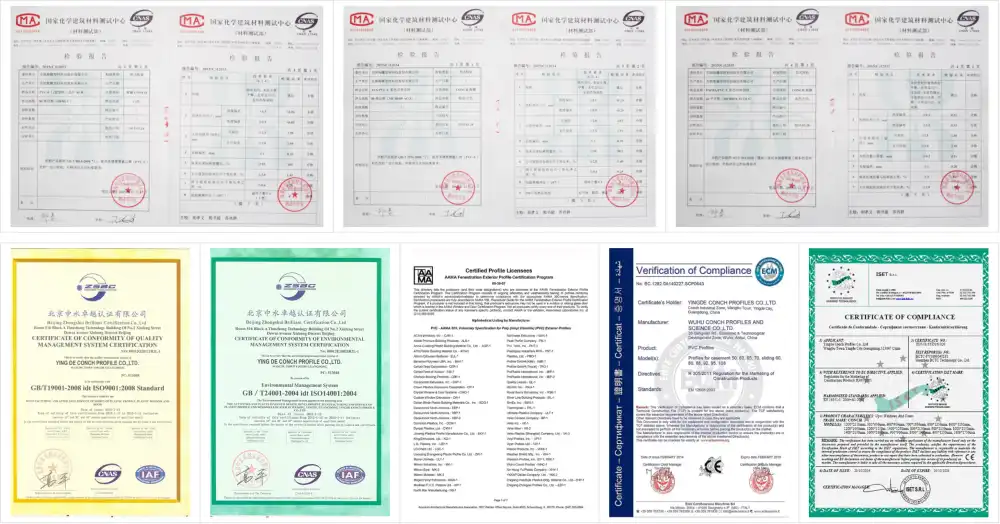
Partner with a China aluminium 3 track sliding window manufacturer backed by eighteen years of manufacturing excellence and innovation. As a leading China aluminium 3 track sliding window supplier and trusted China aluminium 3 track sliding window factory, Haolv Building Materials delivers wholesale aluminium 3 track sliding window solutions with customized aluminium 3 track sliding window configurations tailored to your exact specifications. Request your aluminium 3 track sliding window quotation today and discover competitive aluminium 3 track sliding window prices through our comprehensive aluminium 3 track sliding window pricelist. We offer bulk aluminium 3 track sliding window orders with one-stop product support including free technical consultation, solution design services, and sample shipping. Our advanced production base features precision CNC cutting, automated assembly systems, and ISO-certified quality management ensuring every window meets international standards. With products exported to over thirty countries and twenty-four-hour online service, we provide full-process project follow-up from concept to installation. Contact kristin@haolvwindows.com to transform your architectural vision into reality with premium window solutions that combine superior craftsmanship with reliable performance.
References
1. Chen, W., & Liu, X. (2024). "Advanced Aluminum Window Systems: Engineering Principles and Performance Optimization." Journal of Building Engineering and Architecture, Vol. 45, pp. 234-256.
2. International Energy Agency. (2024). "Energy Efficiency in Buildings: Window Technology Assessment Report 2024." IEA Publications Division, Paris.
3. Thompson, R. J., & Anderson, K. M. (2023). "Multi-Track Sliding Window Systems: Comparative Performance Analysis." Construction and Building Materials Research Quarterly, Vol. 38(4), pp. 112-128.
4. Zhang, Y., Wang, H., & Li, S. (2024). "Thermal Performance of Aluminum Glazing Systems in Contemporary Architecture." Building Science and Technology Review, Vol. 52, pp. 89-104.
5. American Architectural Manufacturers Association. (2024). "AAMA Standards for Sliding Window Performance: Technical Guidance Document." AAMA Technical Publications, Schaumburg, Illinois.

USER EVALUATE
Here is the customer's evaluation of us