




Architectural UPVC Windows High‑Performance Aesthetics for Design‑Led Projects
For architects and developers, windows are not just functional openings – they are design elements that define a building’s character. Architectural UPVC windows go beyond standard white casements, offering slim sightlines, bold colours, complex shapes, and certified performance that rivals aluminium and timber. This comprehensive guide explores the design possibilities, technical specifications, and selection criteria for architectural‑grade UPVC windows.
Understanding Architectural UPVC Windows
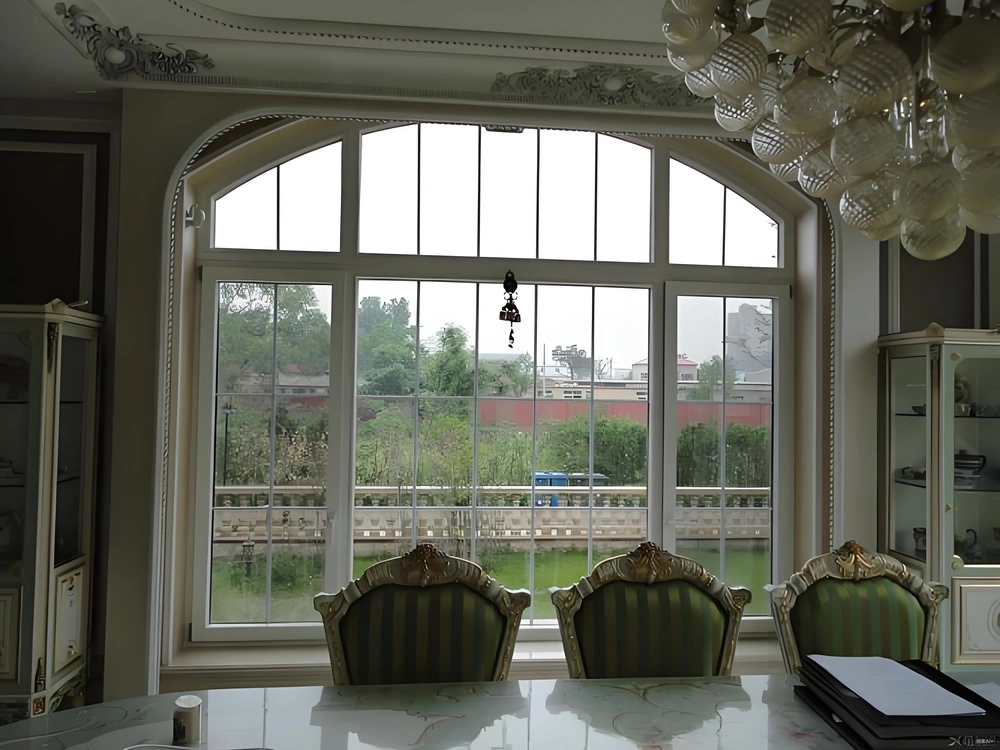
Architectural UPVC windows are premium‑grade window systems designed specifically for projects where aesthetics, performance, and customisation are paramount. Unlike standard residential UPVC windows, architectural versions feature enhanced profile designs, superior hardware, expanded colour ranges, and the ability to accommodate larger spans and more complex configurations.
The profiles are extruded from high‑quality virgin UPVC with multi‑chamber geometries. These profiles typically have thicker external walls (3.0‑3.5mm) than standard profiles (2.5mm), providing greater structural rigidity. Steel reinforcement is strategically placed to support large glass units and resist wind loads in high‑rise applications.
Modern architectural UPVC windows incorporate advanced thermal break technology inherent to the UPVC material, achieving U‑values as low as 0.9‑1.2 W/m²K with triple glazing. The profiles can be finished in a wide spectrum of colours including anthracite gray, black, bronze, cream, and custom RAL matches. Woodgrain laminates that replicate oak, walnut, and mahogany are also available for heritage or contemporary timber‑look applications.
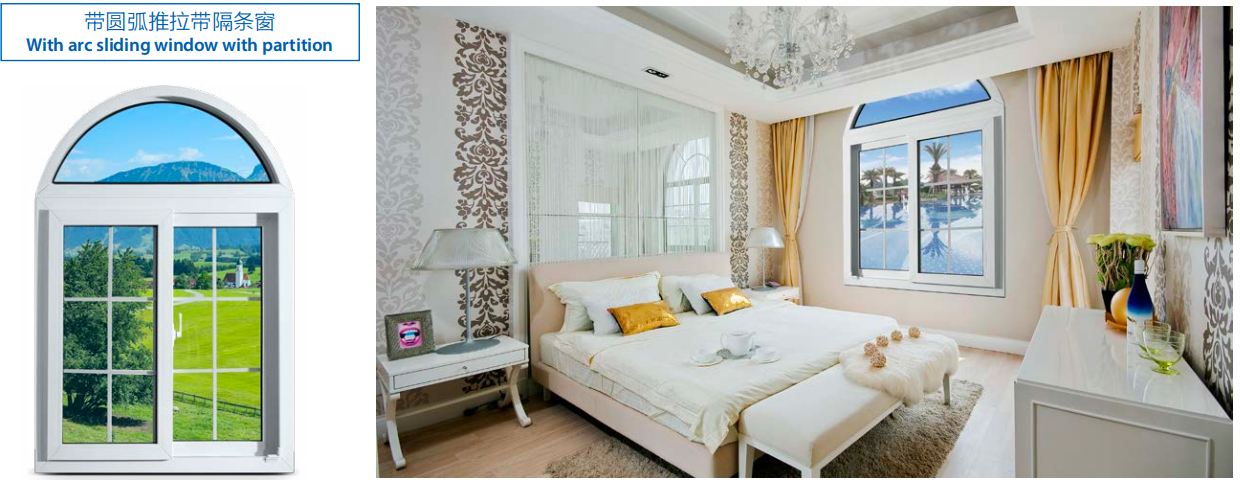
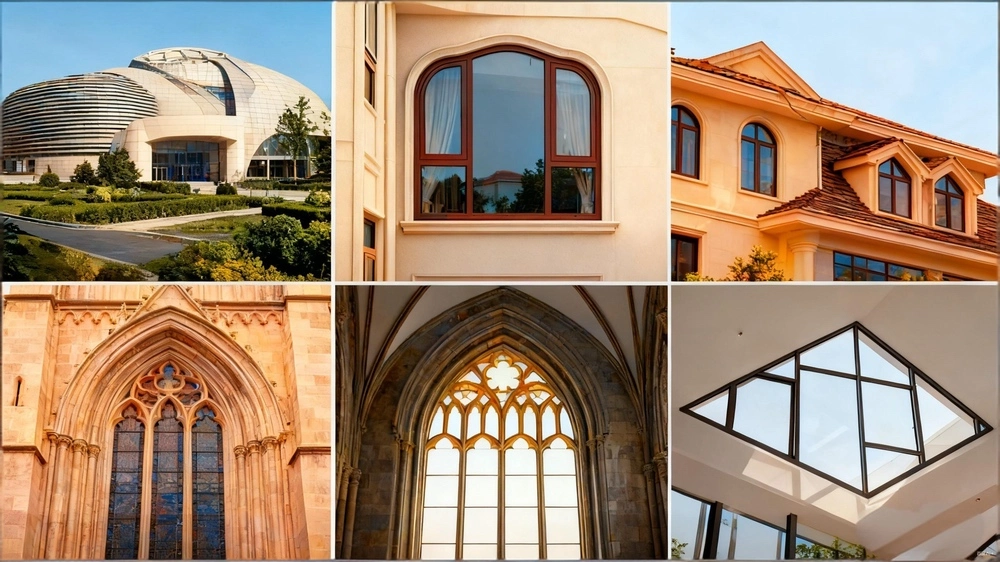
Slim sightlines (as narrow as 60‑70mm visible frame) maximise glass area and provide unobstructed views. Architectural UPVC windows can be configured as casement, tilt‑turn, awning, sliding, or fixed, with custom shapes (arches, circles, triangles) also possible.
Key Advantages of Architectural UPVC Windows
Slim sightlines and design flexibility. Premium architectural UPVC systems achieve visible frame depths as low as 60mm – comparable to aluminium – while retaining UPVC’s superior thermal insulation. This allows for expansive glass areas and uninterrupted views.
High thermal performance. With triple glazing, Low‑E coatings, and argon/krypton gas fills, architectural UPVC windows achieve whole‑window U‑values of 0.9‑1.2 W/m²K, meeting Passive House and net‑zero energy standards.
Wide colour and finish options. Co‑extruded coloured capstocks (any RAL colour) and woodgrain laminates provide design freedom. Dark colours like anthracite black are available with UV‑stabilised capstocks to prevent heat absorption issues.
Structural strength for large sizes. Steel reinforcement and thicker profile walls allow architectural UPVC windows to span up to 2.5m wide, suitable for floor‑to‑ceiling installations and high‑rise applications (DP‑40 to DP‑50 ratings).
Excellent acoustic performance. Multi‑chambered profiles and triple glazing achieve sound transmission class (STC) ratings of 35‑40, reducing external noise by 30‑40 dB.
Low maintenance with high durability. UPVC never needs painting, does not rot or corrode. Co‑extruded colours are integral and will not peel. Cleaning is occasional with mild soap and water.
Security certification. Architectural UPVC windows can be specified to meet PAS 24 or equivalent security standards, with multi‑point locking (5‑7 points), anti‑pick cylinders, and laminated glass.
Specifications for Architectural UPVC Windows
| Feature | Typical Specification |
|---|---|
| Profile wall thickness | 3.0‑3.5mm (external walls) |
| Chambers | 6‑7 chambers |
| Visible frame depth | 60‑70mm |
| U‑value (whole window) | 0.9‑1.2 W/m²K (triple glazing) |
| Air infiltration | ≤0.02 cfm/ft² |
| DP rating | DP‑40 to DP‑50 (2,000‑2,400 Pa) |
| STC rating | 35‑40 |
| Colours | Any RAL, woodgrain laminates |
| Locking points | 5‑7 points |
Applications for Architectural UPVC Windows
Contemporary residential architecture – luxury homes, apartments, mixed‑use developments.
Heritage and conservation projects – woodgrain finishes and authentic detailing replicate original timber windows.
Commercial buildings – offices, hotels, educational facilities – durability and low maintenance.
Passive House and green building projects – certified low U‑values.
High‑rise residential towers – structural strength and wind load resistance.
Frequently Asked Questions About Architectural UPVC Windows
Q: How do architectural UPVC windows differ from standard UPVC windows?
A: Architectural UPVC windows have thicker profile walls (3.0‑3.5mm vs 2.5mm), more chambers (6‑7 vs 3‑5), slimmer sightlines (60‑70mm visible frame), wider colour options, and higher performance ratings (DP‑50, STC 35‑40). They are designed for design‑led projects.
Q: Can architectural UPVC windows be used in high‑rise buildings?
A: Yes, with proper engineering. Look for DP‑50 ratings and steel reinforcement. They meet safety codes for outward‑opening restrictions.
Q: Are dark colours available for architectural UPVC windows?
A: Yes, co‑extruded dark capstocks (anthracite gray, black, bronze) are available with UV stabilisers to prevent heat absorption and fading.
Q: Do architectural UPVC windows qualify for Passive House certification?
A: Yes. Whole‑window U‑values of 0.9‑1.2 W/m²K with triple glazing meet Passive House requirements. Many systems are certified by the Passive House Institute.
Q: What is the typical lifespan?
A: 40‑50 years. The UPVC frame remains durable; hardware and seals may need replacement after 20‑25 years.
Installation and Long‑Term Value
Professional installation is critical for achieving rated performance. The frame must be square, level, and properly anchored. Proper flashing and sealing prevent water infiltration. Long‑term value includes energy savings, zero painting, enhanced security, and increased property value.
Conclusion
Architectural UPVC windows offer a compelling combination of slim aesthetics, high performance, and design flexibility. With capabilities including custom colours, triple glazing, Passive House certifications, and high wind load resistance, these windows meet the demanding requirements of contemporary architecture.
Cooperate With Hunan Haolv Building Materials Co., Ltd.
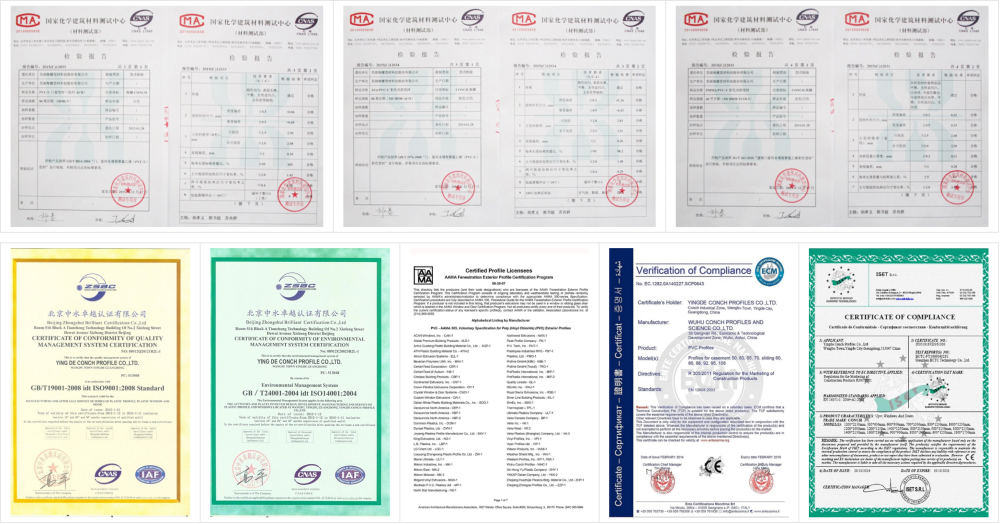
As a leading manufacturer of high‑performance UPVC window systems, Hunan Haolv Building Materials Co., Ltd. brings over eighteen years of specialised expertise to the production of architectural UPVC windows. Our architectural range features multi‑chamber profiles (7 chambers), slim sightlines (65mm visible frame), co‑extruded colour finishes including anthracite gray and black, and triple glazing achieving U‑values below 0.9 W/m²K. Every product undergoes rigorous ISO‑certified quality management and performance testing. For detailed quotations, technical specifications, or to discuss your architectural project requirements, please contact us today at kristin@haolvwindows.com.

USER EVALUATE
Here is the customer's evaluation of us