




Are Vinyl Casement Windows Worth It? Pros & Cons Explained
Vinyl casement windows combine outstanding functionality and affordability, making them a great investment for commercial and industrial premises. Superior ventilation control, improved security measures, and exceptional energy efficiency that drastically lowers operating costs are all provided by these outward-swinging windows. These windows' value is shown by their longevity, minimal maintenance needs, and capacity to endure a variety of climatic conditions while continuing to function reliably for decades. Because vinyl casement windows combine durability, affordability, and utility, they are becoming more and more popular for commercial and industrial structures. Understanding the unique benefits and drawbacks of different window types is essential for international B2B procurement managers to make well-informed purchase choices that impact building performance and operating budgets. Vinyl materials have been more popular in the building sector; according to market data, vinyl windows now make up around 65% of all window replacements in commercial applications in North America. Vinyl casement windows are thoroughly examined in this thorough examination, which starts with their design and functional aspects and progresses through specific benefits and drawbacks, comparisons with other window options, and helpful procurement advice. Vinyl windows now exceed strict building requirements and are appropriate for a variety of architectural styles thanks to advancements in manufacturing procedures that have improved their structural integrity and visual attractiveness. In order to provide the best return on investment and long-term building performance, procurement teams will need more information on maintenance needs and specialized offers.
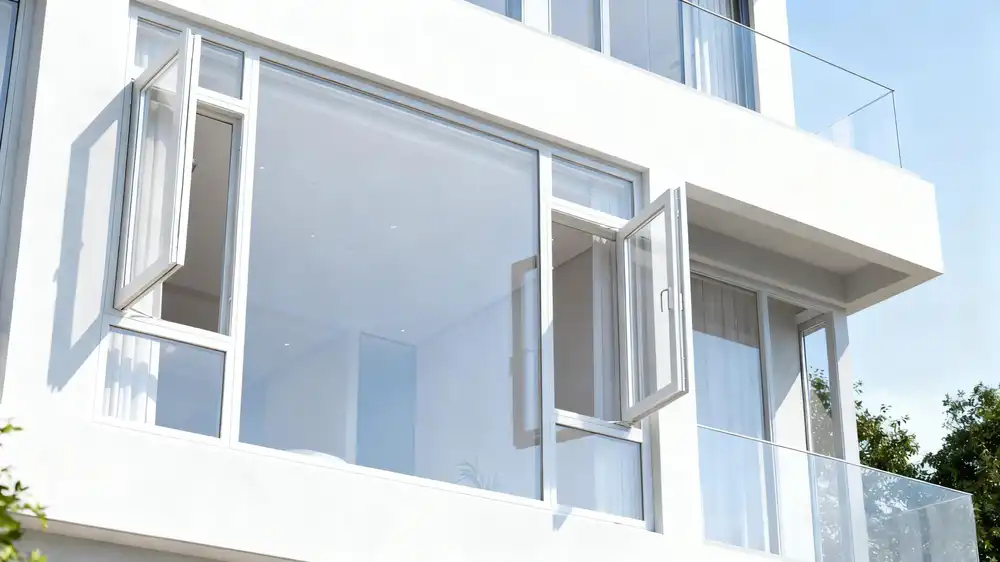
Understanding Vinyl Casement Windows
Vinyl casement windows feature a hinged design that swings outward with operational ease, constructed from robust vinyl material known for its superior insulation and resistance to corrosion. The engineering behind these windows involves multi-chambered frames that create thermal barriers, preventing heat transfer and maintaining consistent indoor temperatures. These structural characteristics make vinyl casement windows particularly suitable for commercial and industrial applications where energy efficiency directly impacts operational costs.
Design and Construction Features
Advanced polymer compounds that are resistant to UV deterioration, moisture penetration, and thermal expansion are used in the building process of vinyl casement windows. Precision welding methods are used in manufacturing operations to eliminate any weak areas that might jeopardize structural integrity by creating smooth corner joins. In order to provide extra strength for bigger window openings that are often needed in commercial installations, the frames usually include reinforcing channels that take steel or aluminum inserts. When compared to sliding or double-hung windows, weather-stripping systems built into the frame design provide higher air infiltration ratings by creating additional sealing points when the window shuts. To guarantee smooth performance under frequent usage circumstances common of office and industrial locations, the hardware components, such as hinges, cranks, and locking mechanisms, go through comprehensive testing.
Operational Characteristics
Complete ventilation control is made possible by casement windows' outward-swinging mechanism, which enables facility managers to accurately modify airflow in accordance with occupancy needs and temperature conditions. Because natural ventilation may support mechanical systems in mild weather, this operational flexibility greatly increases HVAC efficiency. By maximizing natural light penetration, the unobstructed glass area supports sustainable construction practices and lessens the need for artificial lighting. Multi-point locking mechanisms that engage at several points around the frame perimeter are among the security elements built into casement window design. Comparing this security improvement to windows with single-point locking methods, it is much harder for unauthorized individuals to enter. Horizontal rails or dividers don't obstruct view through casement windows, which supports the need for security monitoring and surveillance in business buildings.
Pros and Cons of Vinyl Casement Windows
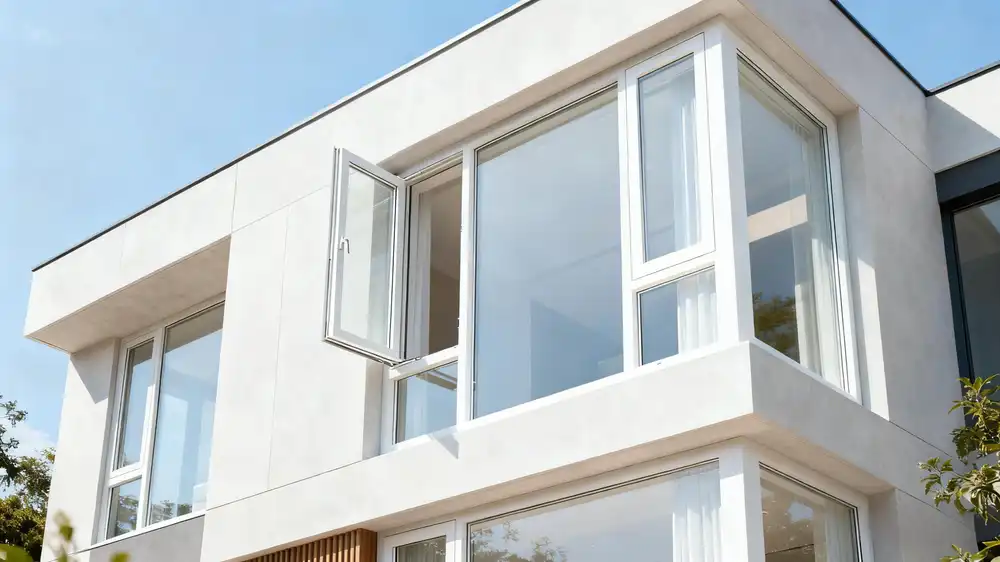
This balanced assessment critically examines the advantages and limitations of vinyl casement windows from a commercial procurement perspective, providing decision-makers with realistic expectations for strategic planning. Understanding these factors enables informed comparisons with alternative window solutions and supports budget allocation decisions for both new construction and retrofit projects.
Advantages of Vinyl Casement Windows
Vinyl casement windows' cheap starting cost when compared to alternatives made of aluminum or wood is the first of its many economic advantages. Because of standardized dimensions and mounting mechanisms, installation complexity is kept to a minimum and material prices are usually 20–30% cheaper than those of equivalent aluminum frames. When compared to single-pane alternatives, the thermal efficiency of vinyl frames lowers heating and cooling expenses by an average of 15–25%, resulting in significant operational savings over the course of the window's lifetime. Vinyl windows need very little maintenance throughout the course of their useful lives. The material's color constancy avoids the need for recurring painting or refinishing, and it resists rot, rust, and insect damage that often impact wood frames. Simple soap and water solutions are used in cleaning operations, which lowers the manpower requirements and related expenses for facility upkeep. Under typical commercial usage circumstances, durability testing shows that high-quality vinyl windows retain their structural integrity and smooth operation for 25 to 30 years. Because of the material's elasticity, it may expand and contract thermally without warping or breaking, guaranteeing reliable performance despite seasonal temperature fluctuations. Reliable protection during severe weather occurrences is provided by wind resistance capabilities that meet or beyond building code standards for commercial buildings.
Limitations and Considerations
Vinyl materials' thermal expansion properties may compromise operating accuracy in very hot or cold conditions. While extreme heat might produce expansion that impairs smooth operation, cold weather can generate modest frame contraction that momentarily reduces sealing efficacy. Facilities in harsh temperature zones must take these impacts into account, even if they usually stay within acceptable performance standards. Compared to wood or metal substitutes, aesthetic customisation choices are still somewhat restricted. Standard color choices concentrate on muted hues that go well with the majority of architectural types; however, unusual colors or finishes can need bespoke manufacture, which would result in higher costs and longer lead times. Even if the look of vinyl has been enhanced by contemporary production methods, it could not satisfy design specifications for upscale institutional or commercial applications where superior aesthetics are crucial. In particularly large window apertures, when frame displacement might jeopardize seal integrity, structural restrictions become evident. Vinyl casement windows' maximum suggested sizes usually stay below what can be achieved with steel or aluminum frame systems, which may limit design flexibility for situations that demand for large glazing surfaces.
Comparing Vinyl Casement Windows with Other Window Types
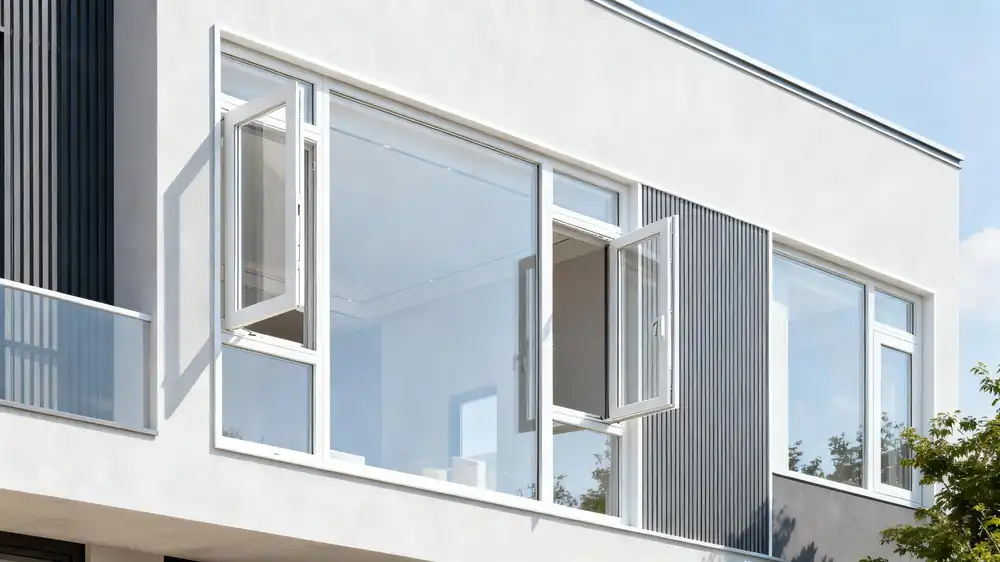
This comparative analysis evaluates vinyl casement windows against leading market alternatives, focusing on performance metrics and cost considerations relevant to B2B procurement decisions. Understanding these comparisons enables strategic selection aligned with specific project requirements and operational priorities.
Vinyl vs. Aluminum Casement Windows
Larger opening widths and smaller frame profiles that optimize glass area are made possible by aluminum casement windows' exceptional structural strength. However, in order to attain energy efficiency equivalent to vinyl alternatives, aluminum's thermal conductivity necessitates thermal breaks, which raises the cost of materials and manufacture. Aluminum frames need more complicated installation techniques and are often 35–50% more expensive than comparable vinyl windows. Periodically checking the thermal break integrity and perhaps refinishing painted surfaces are two maintenance needs for aluminum windows. Environmental exposure and coating quality have a major impact on corrosion resistance; industrial or coastal settings may hasten degradation. When properly maintained, aluminum windows may last longer than vinyl equivalents; nevertheless, continuous maintenance costs must be included into total cost of ownership estimates.
Vinyl vs. Wood Casement Windows
Wood casement windows are the go-to option for classic or upscale architectural applications because of their outstanding visual appeal and versatility in terms of customisation. However, wood has to be painted, sealed, and inspected for insect infestation or moisture damage on a regular basis. Wood windows usually cost 40–60% more to buy initially than vinyl counterparts, and they need ongoing care throughout the course of their service life. The species, quality of construction, and state of maintenance all have a substantial impact on the thermal efficiency of wood windows. When properly cared for, wood windows may attain thermal efficiency on par with vinyl; nevertheless, performance is severely hampered by weather-related degradation or poor maintenance. In business settings, wood windows usually need to be replaced every 15 to 20 years, whereas high-quality vinyl replacements last 25 to 30 years.
Casement vs. Double-Hung Windows
For multi-story systems, double-hung windows provide simpler cleaning access and classic aesthetic appeal, but their sliding mechanisms have inherent air penetration concerns. Due to constant wear from vertical movement, the weather-stripping system in double-hung windows has to be replaced more often in order to maintain energy efficiency. The complexity of operational hardware raises the need for maintenance and the likelihood of failure. Casement windows provide for full opening capability, while double-hung windows only allow for around 50% of the opening area to be ventilated. The efficacy of natural ventilation and the need for emergency exit in business settings are greatly impacted by this distinction. Because casement windows have multi-point locking mechanisms rather than the single-point locks seen in double-hung versions, security reasons favor them.
Procurement Guide for Vinyl Casement Windows
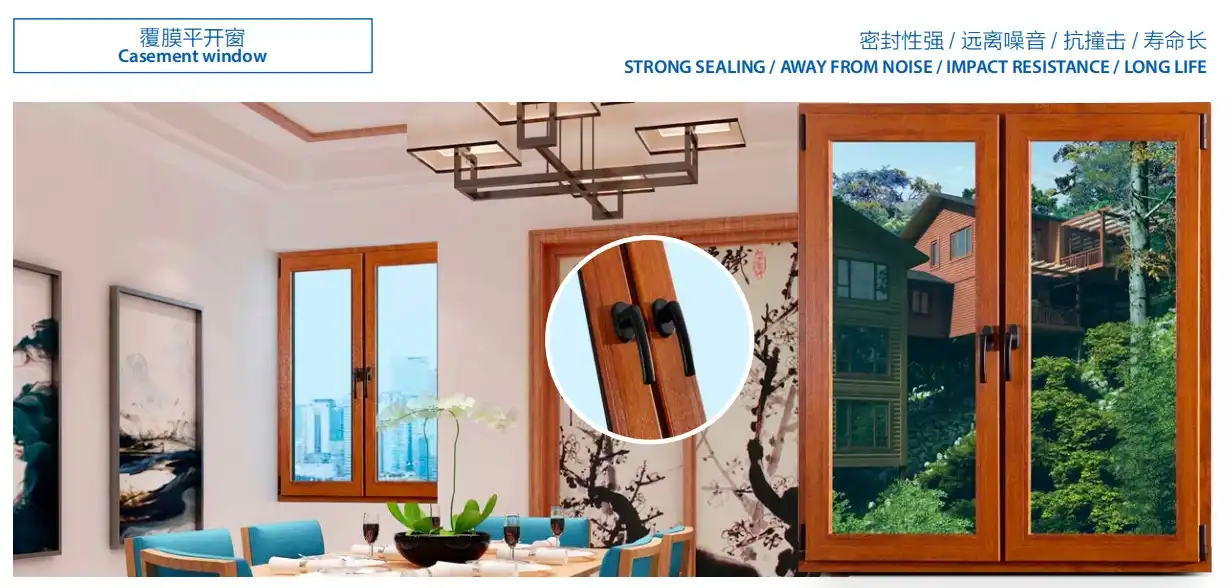
Procurement professionals require comprehensive cost analysis and supplier evaluation criteria tailored to commercial purchasing dynamics. This guidance addresses price components, specification requirements, and supplier selection factors that influence project success and long-term satisfaction.
Cost Structure and Pricing Analysis
Depending on the size, features, and quantity requested, the typical vinyl casement window costs between $150 and $400 per square foot of window space. Orders above 50 units usually qualify for volume pricing, which offers reductions of 5–15% dependent on the overall order value. Non-standard colors, specialty hardware, or custom size may lengthen production lead times and raise unit prices by 20% to 30%. The cost of installation, which often ranges from $50 to $150 per window, varies greatly depending on the kind of structure, accessibility, and local labor rates. Because new construction installations are simpler to reach and need basic rough opening preparation, they are often less expensive than retrofit applications. Lead times of 4-6 weeks for standard specs and 8-12 weeks for bespoke needs should be included into project schedule.
Supplier Evaluation Criteria
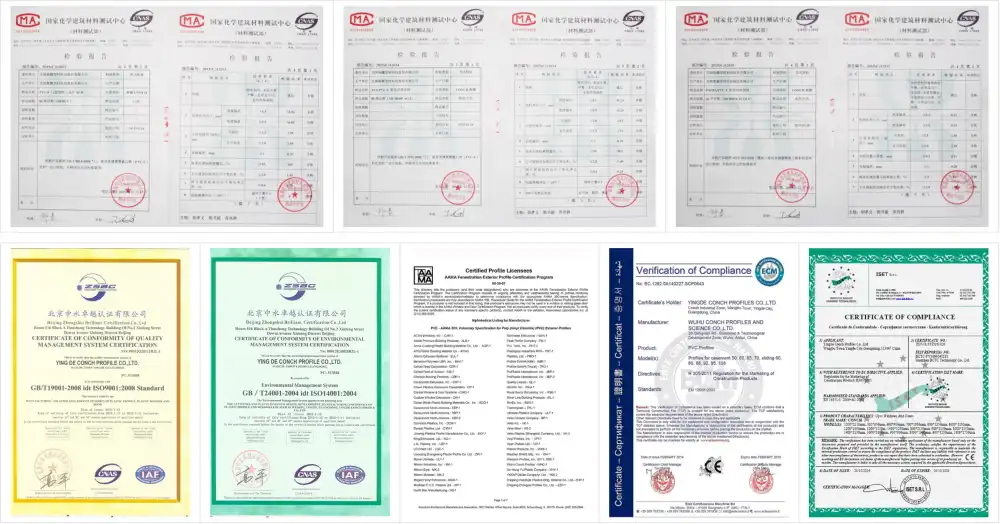
Production capacity, quality control systems, and the availability of technical assistance should be the main topics of a manufacturing capability evaluation. Suppliers that possess extensive testing facilities and ISO certification show their dedication to maintaining constant performance and quality requirements. Reference projects in related applications provide important information about product performance and supplier dependability in similar operational environments. For frame materials, the warranty usually lasts 10–20 years, whereas for hardware components, it lasts 2–5 years. Defective materials, deteriorated thermal performance, and malfunctioning hardware should all be covered under comprehensive warranty conditions. Throughout the course of a product's lifespan, local service network availability guarantees timely response to warranty claims and technical assistance.
Certification and Compliance Requirements
Verification of structural performance, energy efficiency ratings, and fire safety features are necessary for conformity with building codes. Standardized thermal performance statistics, which are necessary for energy code compliance and utility rebate eligibility, are provided via NFRC certification. Under certain test settings, AAMA testing standards confirm air infiltration performance, water penetration resistance, and structural integrity. Energy efficiency ratings should take into account voluntary green building standards like LEED or BREEAM and meet or surpass local building code requirements. The total thermal efficiency of windows may be greatly impacted by high-performance glazing solutions, which should be assessed in light of operating costs and climatic zone needs.
Maintenance and Longevity of Vinyl Casement Windows
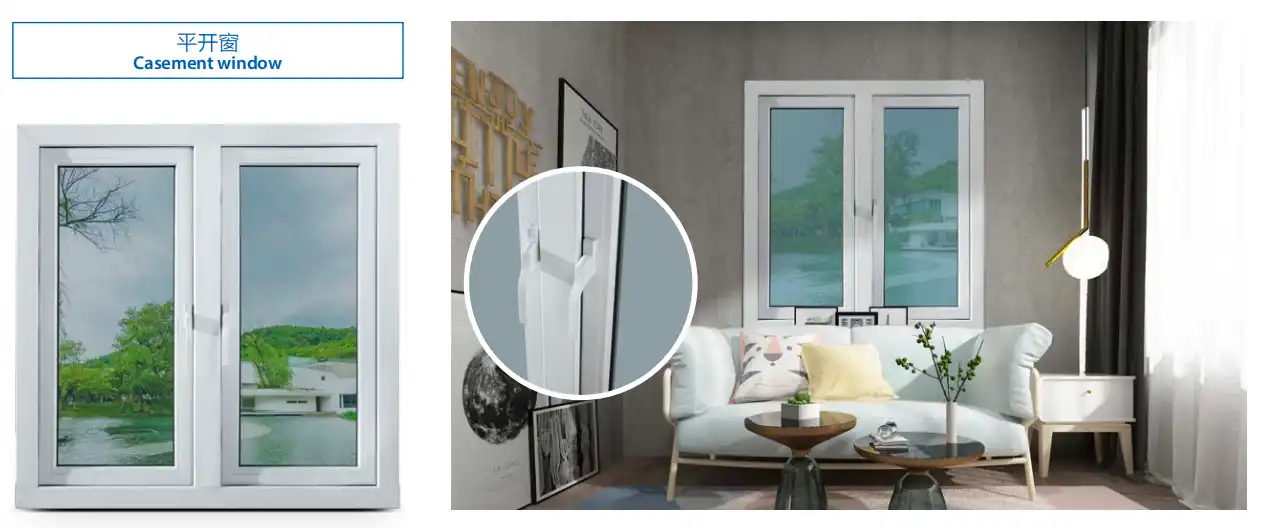
Effective maintenance protocols maximize operational lifespan and preserve performance characteristics throughout the service life of vinyl casement windows. Proper care procedures prevent premature deterioration and maintain energy efficiency, supporting long-term facility management objectives while minimizing replacement costs.
Routine Maintenance Procedures
Cleaning procedures should utilize mild soap solutions and soft brushes to remove accumulated dirt and debris from frame surfaces and operating tracks. Harsh chemicals or abrasive cleaners can damage vinyl surfaces and should be avoided to prevent premature aging or discoloration. Frame drainage channels require periodic clearing to prevent water accumulation that could affect structural integrity or operational smoothness. Hardware lubrication using manufacturer-recommended products ensures continued smooth operation and prevents premature wear of moving components. Hinge pins, crank mechanisms, and locking hardware benefit from annual lubrication using appropriate penetrating oils or specialty window hardware lubricants. Over-lubrication should be avoided as excess lubricant can attract dirt and debris that accelerates component wear.
Performance Monitoring and Inspection
Weather-stripping condition directly affects energy efficiency and should be inspected annually for signs of compression set, cracking, or detachment. Replacement weather-stripping materials must match original specifications to maintain designed performance characteristics. Professional installation of replacement seals ensures proper compression and alignment for optimal thermal performance. Glass seal integrity requires monitoring for signs of moisture infiltration or seal failure that could compromise insulated glazing performance. Condensation between glass panes indicates seal failure requiring professional glass unit replacement. Frame alignment should be checked periodically to ensure proper operation and sealing, with adjustments made as needed to maintain optimal performance. The maintenance approach for vinyl casement windows emphasizes prevention rather than repair, as the material characteristics resist most common deterioration mechanisms. Regular inspection and minor adjustments prevent major problems and extend service life significantly beyond minimum expectations, providing excellent return on investment for commercial applications.
HAOLV's Vinyl Casement Window Solutions
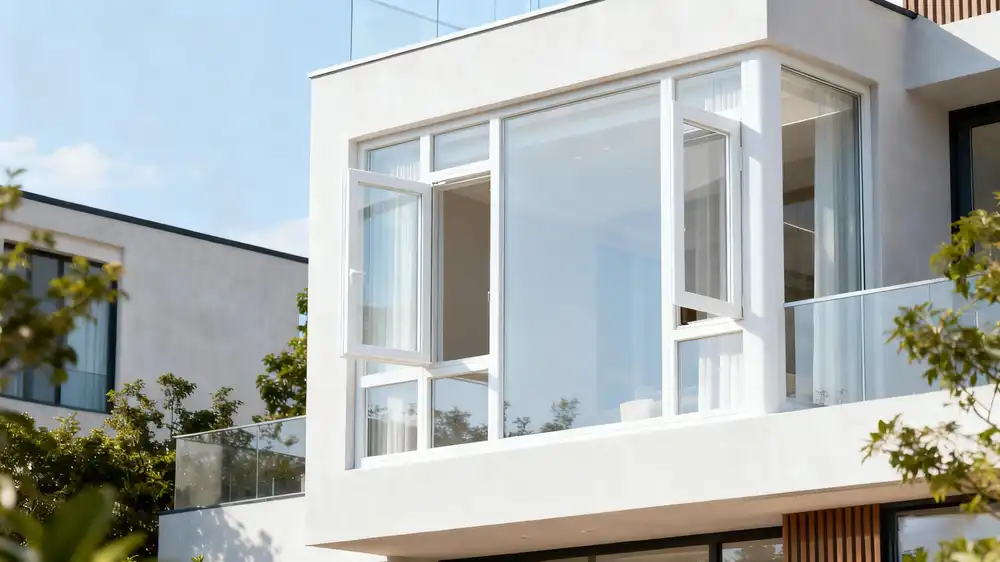
HAOLV Building Materials brings eighteen years of manufacturing expertise to the commercial vinyl casement window market, specializing in high-performance solutions designed for diverse commercial and industrial applications. Our partnership with CONCH Materials ensures access to premium-grade vinyl compounds and advanced manufacturing technologies that deliver superior performance and longevity.
Comprehensive Product Range and Customization
Our vinyl casement window systems accommodate a wide range of architectural requirements through extensive customization capabilities. Standard frame depths accommodate various wall thicknesses and insulation requirements, while custom profiles can be developed for specialized applications. Color options extend beyond standard white and beige to include architectural colors that complement contemporary building designs. Hardware selection encompasses various operational styles, security levels, and aesthetic preferences to match specific project requirements. Multi-point locking systems provide enhanced security for commercial applications, while heavy-duty hinges and operators ensure reliable performance under frequent use conditions. Glazing options include energy-efficient low-E coatings, laminated safety glass, and specialty performance glazing for extreme climate applications.
Quality Assurance and Technical Support
Our manufacturing facility utilizes precision CNC cutting equipment and automated welding systems to ensure consistent quality and dimensional accuracy across all production runs. Quality control protocols include material verification, dimensional inspection, and performance testing that exceeds industry standards. Each window undergoes comprehensive inspection before packaging to ensure defect-free delivery. Technical support services include project consultation, specification development, and installation guidance throughout the project lifecycle. Our engineering team collaborates with architects and contractors to optimize window specifications for specific applications and climate requirements. Post-installation support ensures optimal performance and addresses any operational questions or concerns. The one-stop service approach encompasses everything from initial consultation through final installation support, streamlining the procurement process for commercial buyers. Free sample availability allows hands-on evaluation of materials and construction quality before committing to large-scale orders, while comprehensive technical documentation supports specification writing and approval processes.
Conclusion
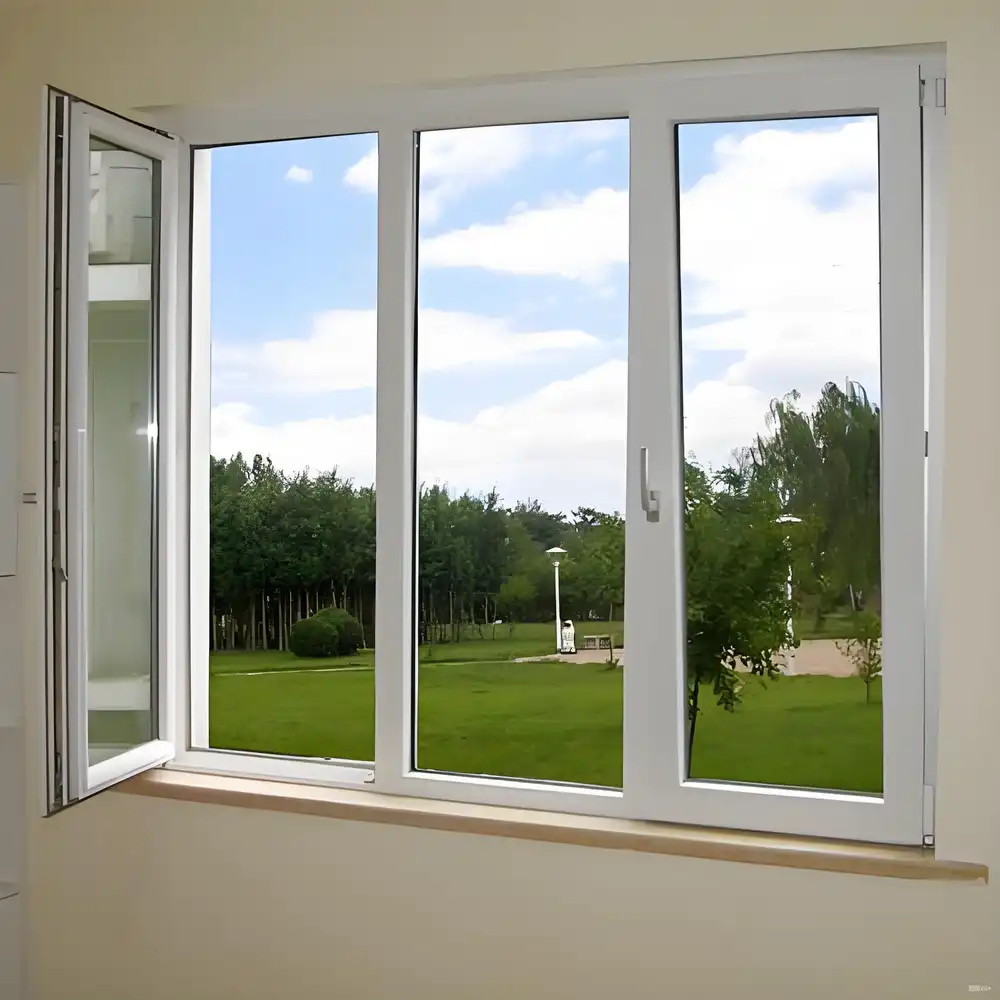
Vinyl casement windows represent an excellent investment for commercial and industrial applications, delivering superior energy efficiency, low maintenance requirements, and reliable long-term performance. The combination of competitive initial costs, operational savings, and extended service life creates compelling value propositions for procurement professionals. While some limitations exist regarding extreme temperature performance and aesthetic customization, these factors rarely outweigh the substantial benefits for most commercial applications. Proper supplier selection and specification development ensure optimal performance and satisfaction throughout the product lifecycle.
FAQ
What is the expected lifespan of vinyl casement windows in commercial applications?
Quality vinyl casement windows typically provide 25-30 years of reliable service in commercial applications when properly maintained. The material characteristics resist rot, corrosion, and insect damage that commonly affect alternative materials. Regular maintenance focused on hardware lubrication and seal inspection can extend service life beyond standard expectations, with some installations continuing to perform well after 35 years.
How do vinyl casement windows perform in extreme climate conditions?
Vinyl casement windows demonstrate excellent performance across diverse climate zones, from extreme cold to high heat and humidity conditions. The material flexibility accommodates thermal expansion and contraction without cracking or warping. However, extreme temperature variations may temporarily affect operational smoothness, and proper specification of glazing systems becomes critical for optimal thermal performance in severe climate applications.
What maintenance is required to preserve energy efficiency over time?
Energy efficiency maintenance focuses primarily on weather-stripping condition and hardware adjustment to maintain proper sealing. Annual inspection of seals and gaskets identifies wear or damage that could compromise thermal performance. Hardware lubrication and operational adjustments ensure tight closing and proper compression of weather seals. Glass seal monitoring prevents insulated glazing failure that would significantly impact energy efficiency.
Contact HAOLV for Premium Vinyl Casement Windows
HAOLV stands ready to support your next commercial project with our comprehensive vinyl casement window solutions backed by eighteen years of manufacturing excellence. Our experienced team provides free technical consultation and custom specification development to ensure optimal performance for your specific application requirements. Contact kristin@haolvwindows.com today to request detailed product specifications, pricing information, or sample shipments for your evaluation. As a leading vinyl casement windows manufacturer, we offer competitive pricing for bulk orders and comprehensive project support from specification through installation completion.
References
1. National Fenestration Rating Council. "Energy Performance Ratings for Windows and Doors: Commercial Applications." NFRC Technical Bulletin, 2023.
2. American Architectural Manufacturers Association. "Voluntary Specifications for Aluminum, Vinyl and Wood Windows and Glass Doors." AAMA Standards Publication, 2023.
3. Building Science Corporation. "Window Performance and Energy Efficiency in Commercial Buildings." Research Report Series, 2022.
4. International Code Council. "Commercial Building Energy Efficiency Requirements: Window and Glazing Systems." ICC Building Standards, 2023.
5. Efficient Windows Collaborative. "Commercial Window Selection Guide: Performance and Cost Analysis." Lawrence Berkeley National Laboratory, 2022.
6. Construction Materials Research Institute. "Lifecycle Cost Analysis of Commercial Window Systems." Annual Building Performance Review, 2023.

USER EVALUATE
Here is the customer's evaluation of us