




How Does Architectural Corner Window UPVC Improve Energy Efficiency?
Architectural Corner Window UPVC significantly improves energy efficiency through its multi-chamber design and superior thermal insulation properties. The UPVC material creates an effective barrier against heat transfer, reducing energy loss by up to 30% compared to traditional aluminum frames. These corner windows feature advanced weatherstripping and precision-engineered profiles that eliminate air leakage while maintaining structural integrity. The inherent low thermal conductivity of UPVC prevents thermal bridging, ensuring consistent indoor temperatures and reduced HVAC load throughout the year.
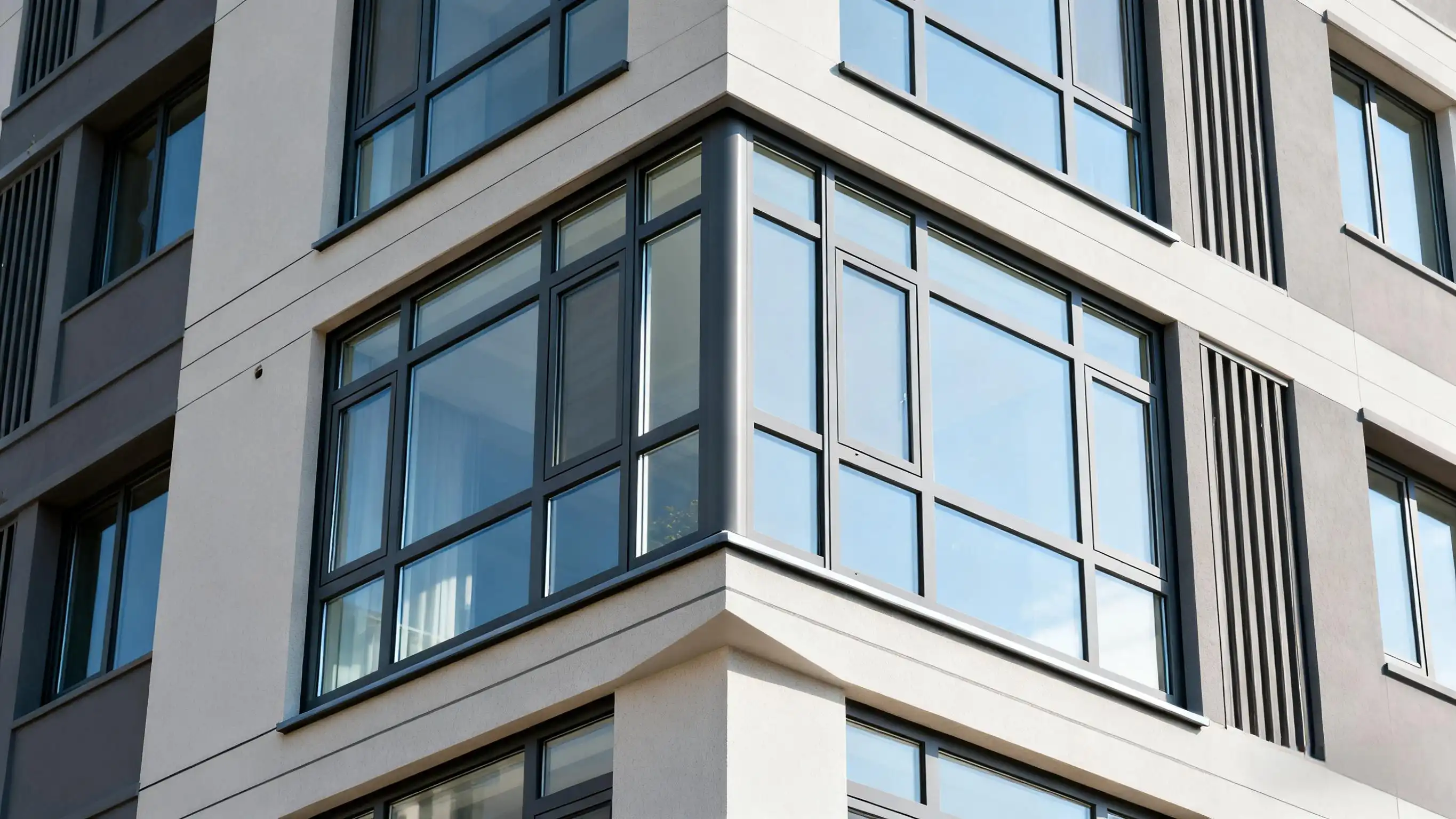
Understanding Architectural Corner Window UPVC and Its Role in Energy Efficiency
Modern commercial buildings demand window solutions that balance aesthetics, functionality, and energy performance. UPVC corner windows represent a breakthrough in building envelope technology, combining the visual appeal of expansive glass surfaces with exceptional thermal efficiency. The unique properties of Unplasticized Polyvinyl Chloride make it an ideal material for corner window applications where traditional materials often fall short.
Superior Thermal Insulation Properties
Compared to aluminum, which has a thermal conductivity value of 237 W/m·K, UPVC has a thermal conductivity of only 0.17 W/m·K. For commercial buildings, this significant difference results in quantifiable energy savings. Because of its multi-chamber construction, UPVC corner windows efficiently trap air pockets that serve as natural insulators, creating several thermal barriers. Three to seven chambers may be found in UPVC profiles; each extra chamber improves thermal performance. When combined with high-performance glazing systems, multi-chamber UPVC windows may reach U-values as low as 0.8 W/m²K, according to research by the Window and Door Manufacturers Association.
Airtight Construction and Draft Prevention
Installing at a corner has special difficulties for preserving the integrity of the building exterior. With weatherstripping systems and precision-molded gaskets that provide continuous seals around the whole perimeter, UPVC windows perform very well in these situations. These seals are guaranteed to be functional in a variety of weather situations due to the material's dimensional stability. Thermal breaks and specialized corner connectors are used in professional UPVC corner window installation to preserve insulation continuity at intersections. With this thorough sealing method, air infiltration rates are reduced to less than 0.1 m³/h·m² at a pressure difference of 50 Pa, satisfying and often surpassing international energy regulations.
Comparative Analysis: UPVC Corner Windows vs Other Materials for Energy Efficiency
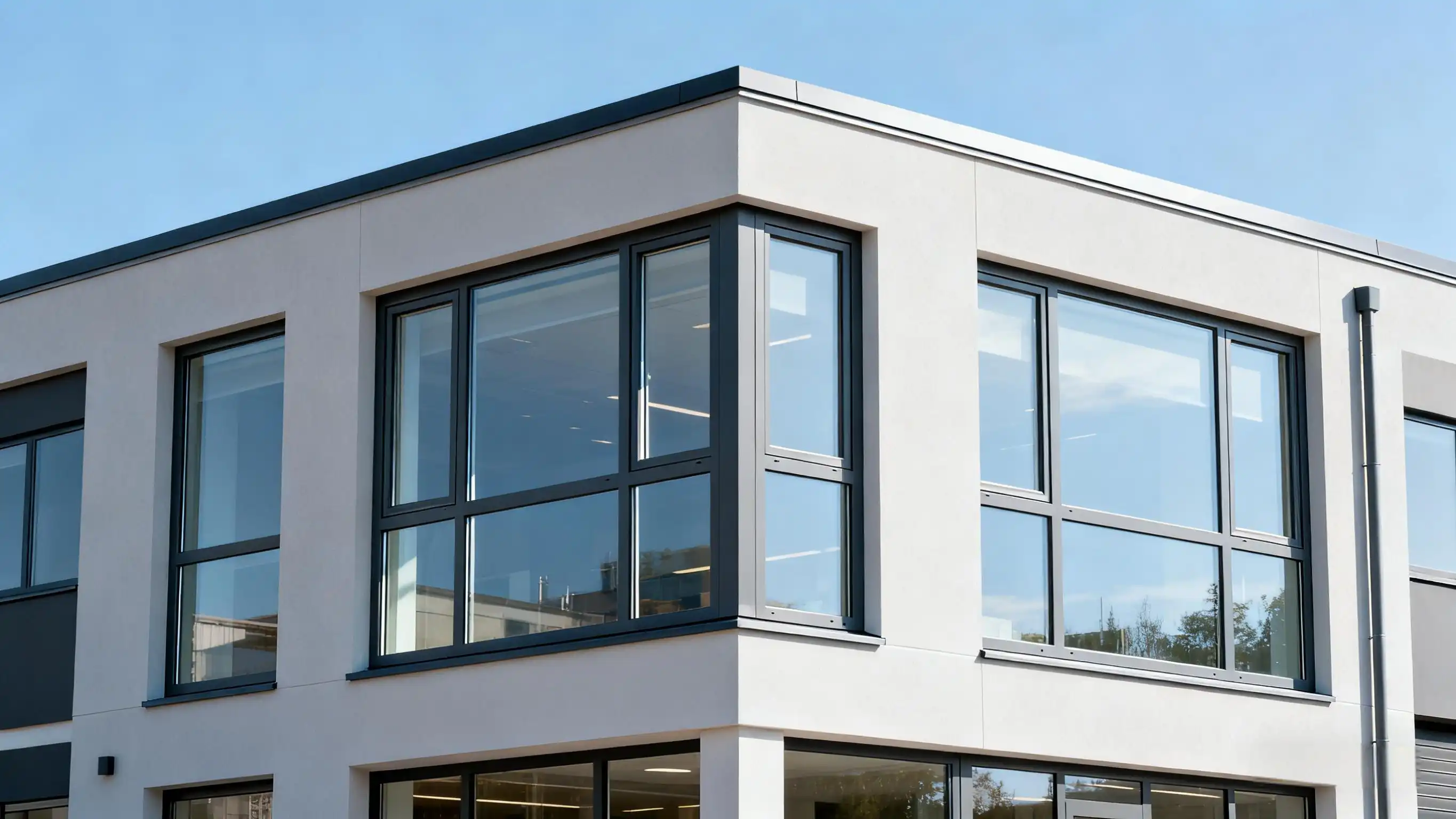
Understanding how Architectural Corner Window UPVC performs against alternative materials helps procurement professionals make informed decisions based on long-term energy costs and building performance requirements. Each material presents distinct advantages and limitations that directly impact overall energy efficiency.
UPVC vs Aluminum: Thermal Performance Comparison
Thermal breaks are necessary for aluminum frames to obtain acceptable energy performance, which increases production complexity and costs. Without any further thermal improvement features, UPVC windows continuously perform in the 1.0–1.5 W/m²K range, but aluminum corner windows, even with thermal breaks, usually attain U-values between 2.0–3.0 W/m²K. Aluminum's 23.1 × 10⁻⁶/°C thermal expansion coefficient makes it difficult to maintain seals over time, especially in corner applications where several frame sections meet. Because of its slower expansion rate (80 × 10⁻⁶/°C), UPVC preserves seal integrity across a wider range of temperatures, lowering the need for ongoing maintenance and guaranteeing sustained energy performance.
Lifecycle Cost Analysis and Energy Savings
After installing UPVC windows, commercial building operators claim 15–25% lower heating and cooling expenses. The average yearly energy savings for switching from normal aluminum to high-performance UPVC corner windows was $2.30 per square foot of window space, according to a thorough research conducted on office buildings in the northeastern United States. Throughout their 30- to 40-year lifetime, UPVC windows need very little maintenance. UPVC retains its thermal performance without deteriorating, in contrast to aluminum frames that may have corrosion problems or wood frames that need to be refinished on a regular basis. Throughout the building's operating life, this consistency guarantees that initial energy efficiency expenditures will continue to provide returns.
Climate Adaptability and Regional Performance
From humid subtropical areas to continental climes with sharp temperature swings, UPVC corner windows operate very well in a variety of climatic zones. Frame degradation that might eventually jeopardize energy efficiency is avoided by the material's resistance to moisture absorption. By reducing thermal bridging between outside and interior surfaces, UPVC frames minimize solar heat input via windows in areas that are dominated by cooling. The material's capacity to retain interior heat while avoiding condensation accumulation that may harm nearby building materials is advantageous for heating-dominated areas.
Installation and Maintenance Practices that Maximize Energy Efficiency
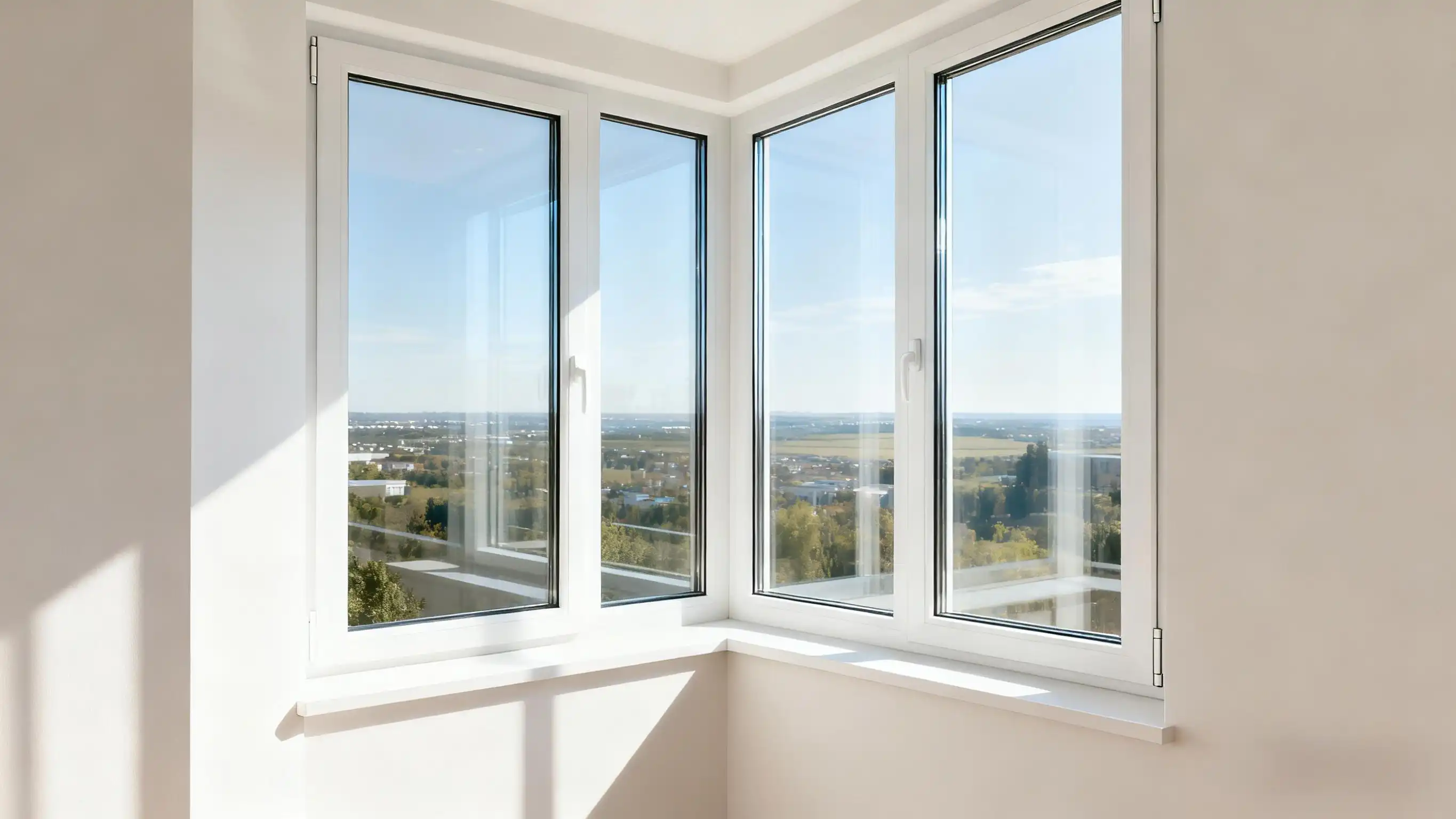
Achieving optimal energy performance from UPVC corner windows requires attention to installation details and ongoing maintenance protocols. Even the highest-quality windows will underperform if installation practices compromise their thermal integrity or if maintenance neglect allows performance degradation over time.
Professional Installation Requirements
Installing corner windows requires specific knowledge to guarantee correct alignment and sealing at frame junctions. In order to maintain thermal barriers throughout the whole window assembly, professional installers use structural glazing methods and ongoing insulation solutions. Rough opening preparation must be carefully considered throughout the installation procedure in order to provide sufficient room for thermal expansion while preserving structural stability. Coordination between several construction professions is necessary for proper flashing and weatherproofing around corner windows. To establish seamless thermal barriers, window installers must collaborate closely with building envelope experts and insulation contractors. High-performance sealants that retain flexibility in the face of temperature extremes and structural glazing tapes are examples of advanced installation procedures.
Quality Control and Performance Verification
Post-installation testing uses thermal imaging analysis and blower door tests to verify energy efficiency performance. Potential air leakage locations or thermal bridging problems that could impair a building's energy efficiency are found by these verification processes. All sealing points and adjustment mechanisms are systematically inspected by expert installation crews. Hardware component calibration and operational testing of all moving parts are part of the installation procedure. Corner windows that are properly adjusted will continue to compress against weatherstripping for the duration of their operating cycles. Performance deterioration that can occur over time is avoided by this attention to detail.
Maintenance Protocols for Sustained Performance
Compared to other frame materials, UPVC corner windows need less maintenance; nonetheless, consistent energy efficiency is ensured by paying attention to certain components on a regular basis. Cleaning plans should take into account the practical and cosmetic features of window performance, paying special attention to the state of the weatherstripping and drainage channels. Hardware lubrication, drainage system cleansing, and glazing seal check are examples of yearly maintenance practices. These daily chores stop little problems from growing into bigger performance difficulties. In order to guarantee that windows continue to operate at design specifications for the duration of their service life, professional maintenance services can spot any issues before they affect energy efficiency.
Architectural Design Ideas and Innovations That Enhance UPVC Corner Window Performance
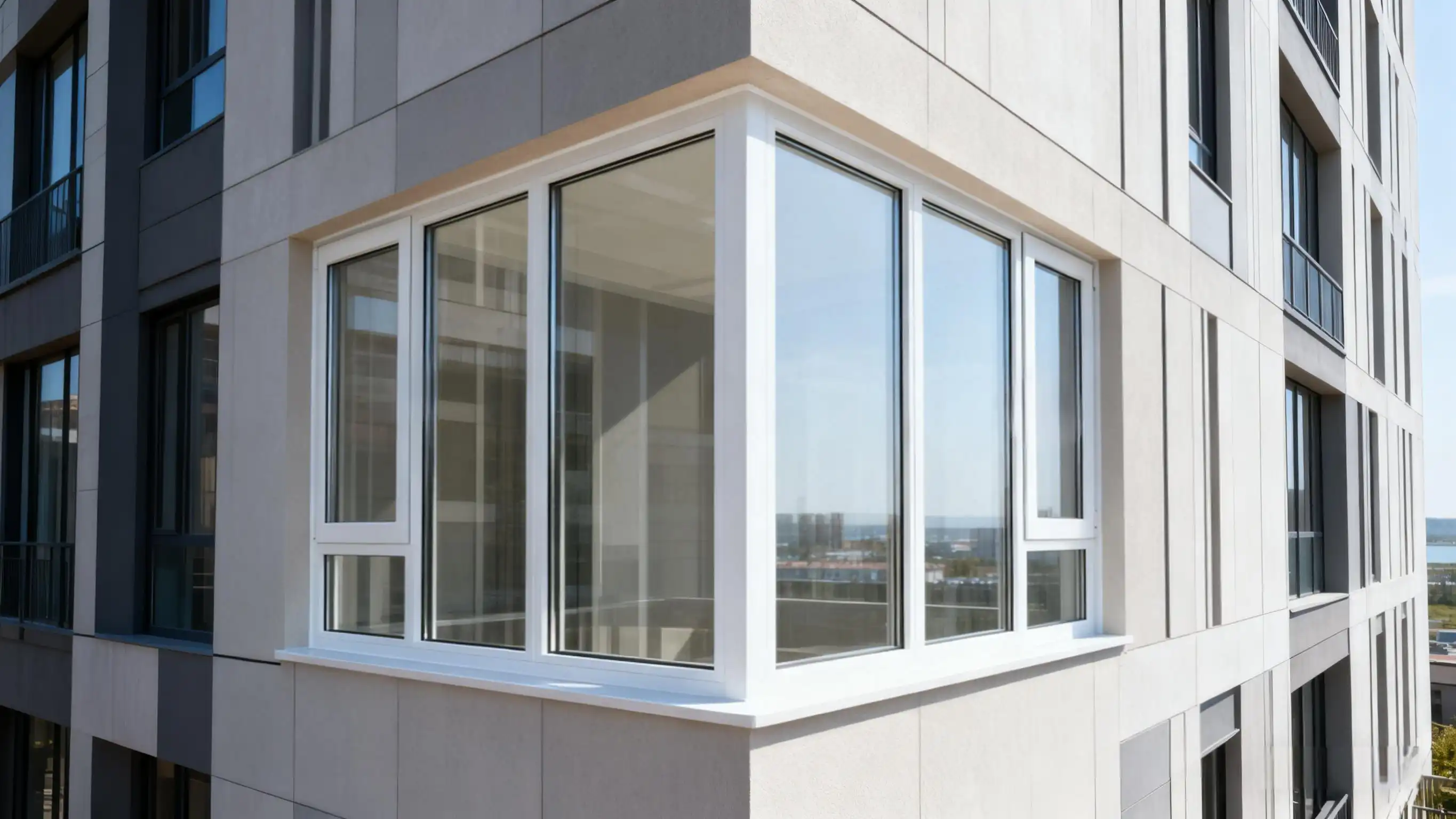
Contemporary Architectural Corner Window UPVC trends increasingly emphasize transparency and connection between interior and exterior spaces. UPVC corner windows enable these design goals while maintaining superior energy performance through innovative profile designs and advanced glazing technologies.
Multi-Chamber Profile Innovations
More complex chamber designs that improve thermal performance without sacrificing structural integrity are now possible because to recent developments in UPVC extrusion technology. Seven-chamber profiles provide thin sightlines that retain architectural beauty while including specific areas for drainage, insulation, and reinforcement. In order to prevent possible thermal bridging sites, advanced profile designs use specialized gasket channels and continuous thermal breaks. Corner window assemblies may now attain thermal performance levels that were previously only achievable with substantially thicker frame portions thanks to these improvements. Energy efficiency and the clean lines required by modern architectural styles are combined in the final product.
Glazing Integration and Performance Enhancement
With low-emissivity coatings and sophisticated gas fills, high-performance glazing choices enhance the thermal efficiency of UPVC frames. When appropriately integrated with multi-chamber UPVC frames, triple-glazed units with argon or krypton gas fills may reach center-of-glass U-values < 0.5 W/m²K. Dynamic solar control offered by smart glazing technologies, such as electrochromic and thermochromic choices, maximizes energy efficiency under a range of daily and seasonal situations. These cutting-edge glazing solutions blend in well with UPVC corner window designs, giving architects the means to create very effective building envelopes without compromising their creative freedom.
Integrated Shading and Ventilation Systems
Integrated shading solutions that maximize solar heat intake while preserving natural daylighting are becoming more and more common in corner window designs. UPVC frames include integrated control mechanisms and unique mounting methods that allow for both internal and external shading choices. Corner window arrangements that provide efficient cross-ventilation patterns are advantageous for natural ventilation techniques. These tactics are supported by UPVC corner windows' movable portions, which preserve weather sealing while allowing for regulated ventilation. Automated operation based on weather and interior air quality sensors is made possible by sophisticated hardware systems.
HAOLV Building Materials: Your Trusted UPVC Corner Window Partner
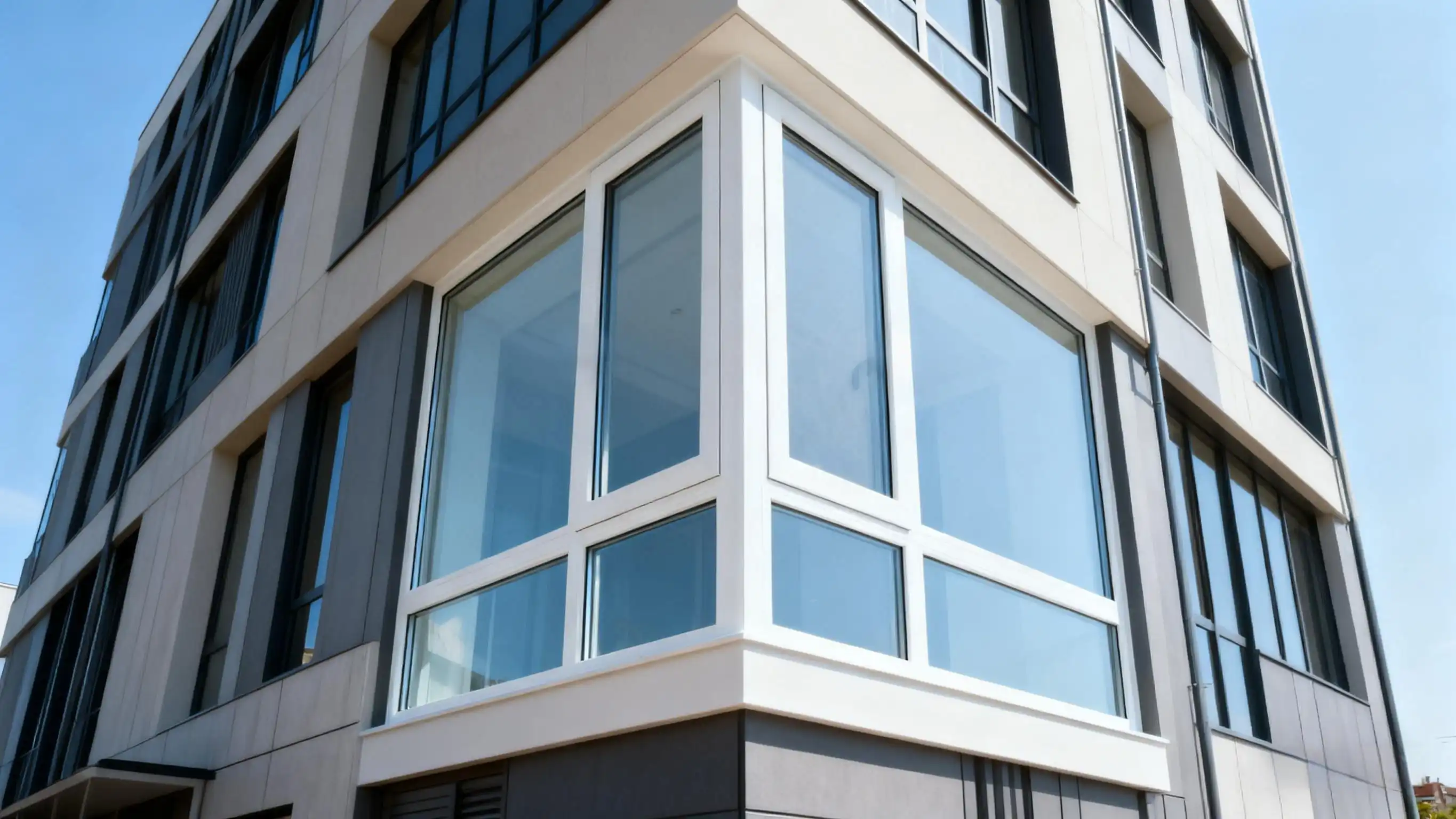
HAOLV Building Materials Co., Ltd. brings eighteen years of manufacturing excellence to the UPVC window and door industry. Our partnership with CONCH materials ensures access to premium-grade UPVC compounds that deliver consistent performance across diverse applications and climate conditions.
Comprehensive Product Portfolio and Customization Capabilities
The whole spectrum of UPVC window and door options, including custom corner window configurations for commercial and residential applications, are all within our production capabilities. In order to guarantee constant quality for both standard and special orders, the manufacturing facility incorporates sophisticated extrusion lines, precise CNC cutting equipment, and automated assembly systems. Our extensive customisation options allow us to meet specific Architectural Corner Window UPVCneeds while preserving the best possible energy efficiency. To create corner window solutions that satisfy certain thermal performance goals, structural specifications, and aesthetic preferences, our technical team works in conjunction with architects and builders. Every project will have Windows adapted for its specific use thanks to this cooperative approach.
Quality Assurance and International Standards Compliance
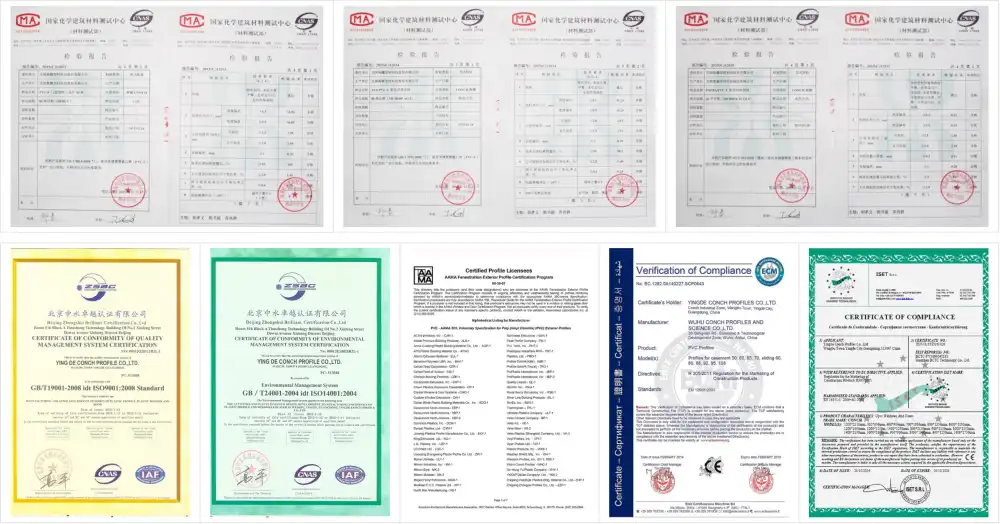
From the verification of raw materials to the final assembly inspection, every UPVC corner window is put through a rigorous testing procedure throughout the production process. Our quality management systems consistently comply to worldwide performance standards by meeting ISO certification criteria. Each product line's weather resistance, structural integrity, and thermal performance are verified by sophisticated testing apparatus. Comprehensive documentation that keeps track of production parameters, performance test results, and material sources is part of the quality control process. This thorough documentation backs up warranty claims and gives consumers assurance about the long-term functionality of the equipment. From the selection of materials to the last delivery, our dedication to excellence is evident across the whole supply chain.
Global Service Network and Support Systems
With sophisticated packing and handling techniques that safeguard product quality throughout transportation, our effective logistics network facilitates worldwide delivery to more than thirty countries. In order to guarantee smooth project execution and the availability of technical assistance, the logistics team works with local installation partners. Regardless of time zone variations, 24-hour customer care guarantees that technical inquiries and project support requirements are promptly addressed. We assist clients in navigating intricate procurement procedures and technical specifications by emphasizing proactive communication and problem-solving. Clients all around the globe have given our all-inclusive assistance system great reviews and long-term cooperation partnerships.
Conclusion
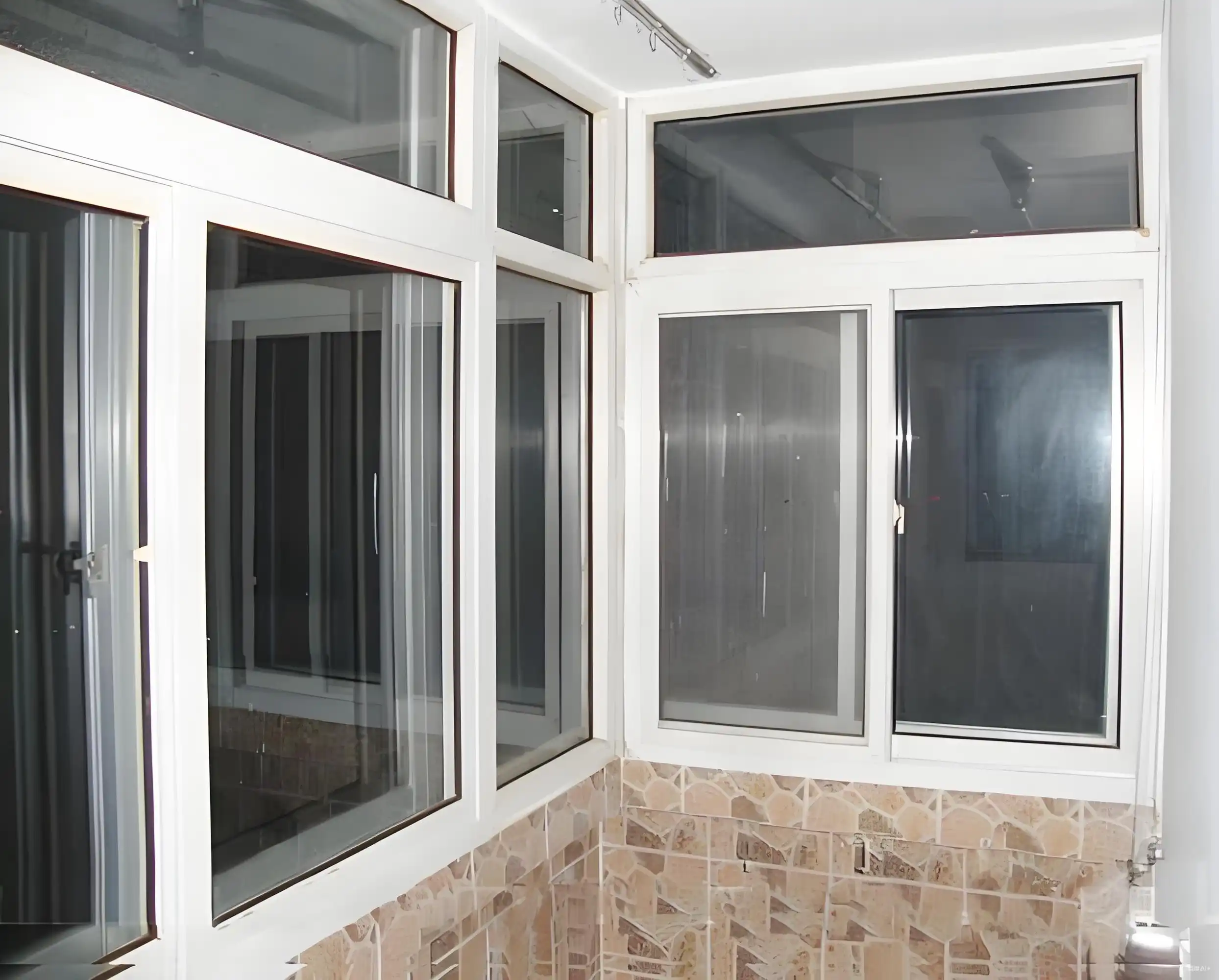
Architectural Corner Window UPVC corner windows represent a mature technology that consistently delivers superior energy performance compared to alternative frame materials. The combination of low thermal conductivity, multi-chamber design, and excellent weathersealing creates building envelope solutions that reduce energy consumption while enhancing occupant comfort. Professional installation and minimal maintenance requirements ensure that these energy efficiency benefits continue throughout the window's service life. As building codes increasingly emphasize energy performance and sustainability, UPVC corner windows provide architects and building owners with proven solutions that meet both current requirements and future efficiency standards.
FAQ
How do UPVC corner windows compare to aluminum in terms of energy efficiency?
UPVC corner windows significantly outperform aluminum frames in energy efficiency due to their inherently low thermal conductivity. While aluminum requires thermal breaks to achieve acceptable performance, UPVC naturally provides excellent insulation properties. UPVC corner windows typically achieve U-values between 1.0-1.5 W/m²K compared to aluminum's 2.0-3.0 W/m²K range, resulting in 15-25% lower energy costs for heating and cooling.
What is the expected lifespan of UPVC corner windows in commercial applications?
UPVC corner windows maintain their structural integrity and energy performance for 30-40 years under normal commercial building conditions. The material's resistance to weathering, UV degradation, and moisture absorption ensures consistent thermal performance throughout this lifespan. Unlike other materials that may require refinishing or component replacement, UPVC windows retain their original efficiency characteristics with minimal maintenance.
Do custom-sized corner windows perform differently than standard sizes in terms of energy efficiency?
Custom-sized UPVC corner windows achieve the same energy efficiency standards as standard sizes when manufactured using identical profile systems and glazing specifications. The manufacturing process maintains consistent thermal properties regardless of window dimensions. However, larger corner window assemblies may require additional structural reinforcement that could slightly impact overall thermal performance, though these effects remain minimal with proper engineering design.
How do installation practices affect the energy efficiency of corner windows?
Installation quality directly impacts corner window energy performance, with poor installation practices potentially reducing efficiency by 20-30%. Proper installation requires attention to air sealing, thermal bridging prevention, and structural alignment at corner joints. Professional installation ensures that design thermal performance translates into actual building energy savings through comprehensive weatherproofing and quality verification procedures.
What maintenance is required to sustain optimal energy efficiency?
UPVC corner windows require minimal maintenance to sustain energy efficiency, primarily consisting of annual cleaning and hardware lubrication. Key maintenance tasks include inspection of weatherstripping condition, drainage channel clearing, and glazing seal verification. These routine procedures prevent performance degradation and ensure that windows continue operating at design efficiency levels throughout their service life.
Transform Your Building's Energy Performance with HAOLV Architectural Corner Window UPVC Solutions
HAOLV Building Materials stands ready to support your next project with premium UPVC corner window solutions designed for maximum energy efficiency. Our eighteen years of manufacturing expertise, combined with our partnership with CONCH materials, ensures access to the highest quality components and proven performance records. We offer comprehensive customization services, free technical consultations, and complete project support from initial design through final installation. Contact our team at kristin@haolvwindows.com to discuss your specific requirements and receive detailed technical documentation. As a leading Architectural Corner Window UPVC manufacturer, we provide competitive pricing for bulk orders and can arrange sample shipments to verify quality and performance standards.
References
1.Building Science Corporation. "High-Performance Window Systems: Thermal Performance and Energy Efficiency Analysis." Building Science Press, 2023.
2.American Architectural Manufacturers Association. "UPVC Window Systems: Performance Standards and Testing Protocols." AAMA Publication TIR-A15, 2022.
3.National Institute of Standards and Technology. "Thermal Performance of Building Envelope Systems: Corner Window Applications." NIST Technical Publication 1945, 2023.
4.International Energy Agency. "Energy Efficient Window Technologies: Global Market Analysis and Performance Benchmarks." IEA Buildings Technology Roadmap, 2022.
5.Window and Door Manufacturers Association. "Comparative Analysis of Frame Materials: Energy Performance and Lifecycle Assessment." WDMA Technical Bulletin 108, 2023.
6.U.S. Department of Energy. "Commercial Building Window Performance: Energy Efficiency Guidelines and Best Practices." DOE Building Technologies Office, 2022.

USER EVALUATE
Here is the customer's evaluation of us